Seniors Selling in San Antonio: A Downsizing Guide
Seniors selling in San Antonio get personalized downsizing strategies from REALTOR® Delcina Smith. Call or email today for a free consultation.

Seniors selling in San Antonio often face a unique mix of emotional and financial decisions, from letting go of a long-time family home to navigating today's local housing market. Whether the goal is moving closer to family, reducing maintenance, or simply embracing a simpler lifestyle, understanding the local real estate landscape makes the transition smoother. This guide walks through what senior homeowners need to know before listing their property, including timing, pricing, and finding the right support team.
Quick answer: Seniors selling in San Antonio can generally expect a strong resale market, several downsizing paths to choose from, and real value in working with a REALTOR® who tailors the strategy to retirement timelines and personal goals rather than a generic plan.
What Does Selling a Home Mean for Seniors Selling in San Antonio?
Seniors selling in San Antonio is the process of an older homeowner listing, marketing, and closing the sale of a residential property, often in order to downsize, relocate, or free up home equity. In particular, this process differs from a typical sale because it usually involves sorting through decades of belongings and weighing emotional ties alongside financial decisions.
As a result, the timeline can look different than a standard transaction. For example, a retiree moving to a single-story home may need extra weeks to coordinate both the sale and the purchase so the two happen close together. Above all, a tailored plan that respects both the practical and personal sides of the move tends to produce the best outcome.
Seniors selling in San Antonio often start the process by sorting belongings and planning their move well before listing day.
San Antonio Retirees and the Downsizing Decision
Many San Antonio retirees choose to downsize for practical reasons: lower utility bills, less yard work, and reduced property taxes on a smaller home. However, the decision is rarely just financial. Some empty nesters simply no longer need the space that once housed a growing family, while others want to free up equity for travel, healthcare, or helping grandchildren.
In addition, downsizing does not always mean moving into a retirement community. Some seniors prefer a smaller single-family home in a familiar San Antonio neighborhood, while others explore condos or age-restricted communities. Consequently, the right path depends heavily on lifestyle preferences and health considerations, which is why a personalized consultation matters before committing to any single option. According to the concept of aging in place, many older adults also weigh how long they intend to stay in their next home before deciding how much space they truly need.
For readers exploring this topic further, the guide on helping empty nesters find smaller homes covers additional considerations specific to that transition.
Step-by-Step: How Seniors Can Sell Their San Antonio Home
Selling a home later in life does not have to feel overwhelming. Below is a straightforward sequence that many senior sellers follow, broken into manageable steps.
- Schedule a personalized consultation. Meet with a local REALTOR® to discuss the home's condition, your moving timeline, and your financial or lifestyle goals before any decisions are made.
- Get a market evaluation and pricing strategy. Review recent comparable sales in your San Antonio neighborhood to set a realistic listing price that reflects current demand.
- Declutter and prepare the home. Sort belongings into keep, donate, and sell piles, then handle minor repairs and staging so the home shows at its best.
- List and market the property. Launch professional photography and targeted marketing so qualified buyers find the home quickly and submit strong offers.
- Negotiate, close, and coordinate the move. Review offers, negotiate favorable terms, and align the closing date with your moving logistics for a smooth transition.
Similarly, sellers who are also house hunting may want to browse current inventory while preparing their own listing. The page featuring homes for sale in San Antonio is a useful starting point for comparing next-home options.
Common Challenges Facing Older Home Sellers
Selling a home after many years in one place brings its own set of challenges. For instance, sentimental attachment can make it difficult to price the home objectively, which sometimes leads to overpricing and a slower sale. Furthermore, physical limitations may make sorting, packing, and staging feel exhausting without extra help.
Health and mobility concerns can also affect timing. Therefore, building in flexibility around showings and closing dates often reduces stress considerably. In contrast to a younger seller juggling a tight work schedule, many senior sellers have more flexibility on timing but less physical capacity for the hands-on work, so delegating tasks to movers, family, or a trusted REALTOR® team tends to pay off.
The U.S. Department of Housing and Urban Development notes that housing decisions in later life often hinge on balancing independence with practical support, a theme echoed throughout the HUD resources for senior homeowners. Above all, having a clear plan from the start helps prevent last-minute scrambling.

A personalized consultation helps senior sellers build a strategy around their specific timeline and goals.
Choosing a REALTOR® Who Understands Senior Sellers
Not every agent approaches senior clients the same way. Specifically, look for someone who takes time to understand the full picture: health considerations, family input, financial goals, and emotional readiness. A REALTOR® experienced with this group typically offers flexible showing schedules and connects sellers with trustworthy movers, estate sale specialists, and lenders.
Delcina Smith, a REALTOR® with CENTURY 21 Integra, has spent eight years serving San Antonio and its surrounding communities, with a background in banking that supports clear financial conversations with clients. She emphasizes that every seller's situation is unique and builds a customized strategy around each person's needs, timeline, and goals rather than applying a one-size-fits-all plan.
Reviewing a track record also helps. The list of recently sold homes offers a sense of the types of properties and neighborhoods handled successfully in the San Antonio area.
Financial and Tax Considerations for Older Homeowners
Before listing, it helps to understand the financial side of the sale. For example, long-time homeowners may qualify for a capital gains exclusion on the sale of a primary residence, which can meaningfully reduce the tax impact. The IRS outlines the specific requirements for this exclusion, and a tax professional should confirm eligibility based on individual circumstances through the official IRS guidance on home sales.
In addition, it is worth factoring in closing costs, any needed repairs, and moving expenses when estimating net proceeds. According to industry estimates, total selling costs commonly range between 7 and 10 percent of the sale price once commission, closing fees, and minor repairs are included. Consequently, building a realistic budget early prevents surprises later in the process.
For a broader overview of the selling process itself, the buying and selling tips resource breaks down additional steps that apply to most San Antonio sellers, regardless of age or life stage. The team's home page at delcinasmithrealtor.com also outlines current services and ways to get in touch for a no-pressure conversation.
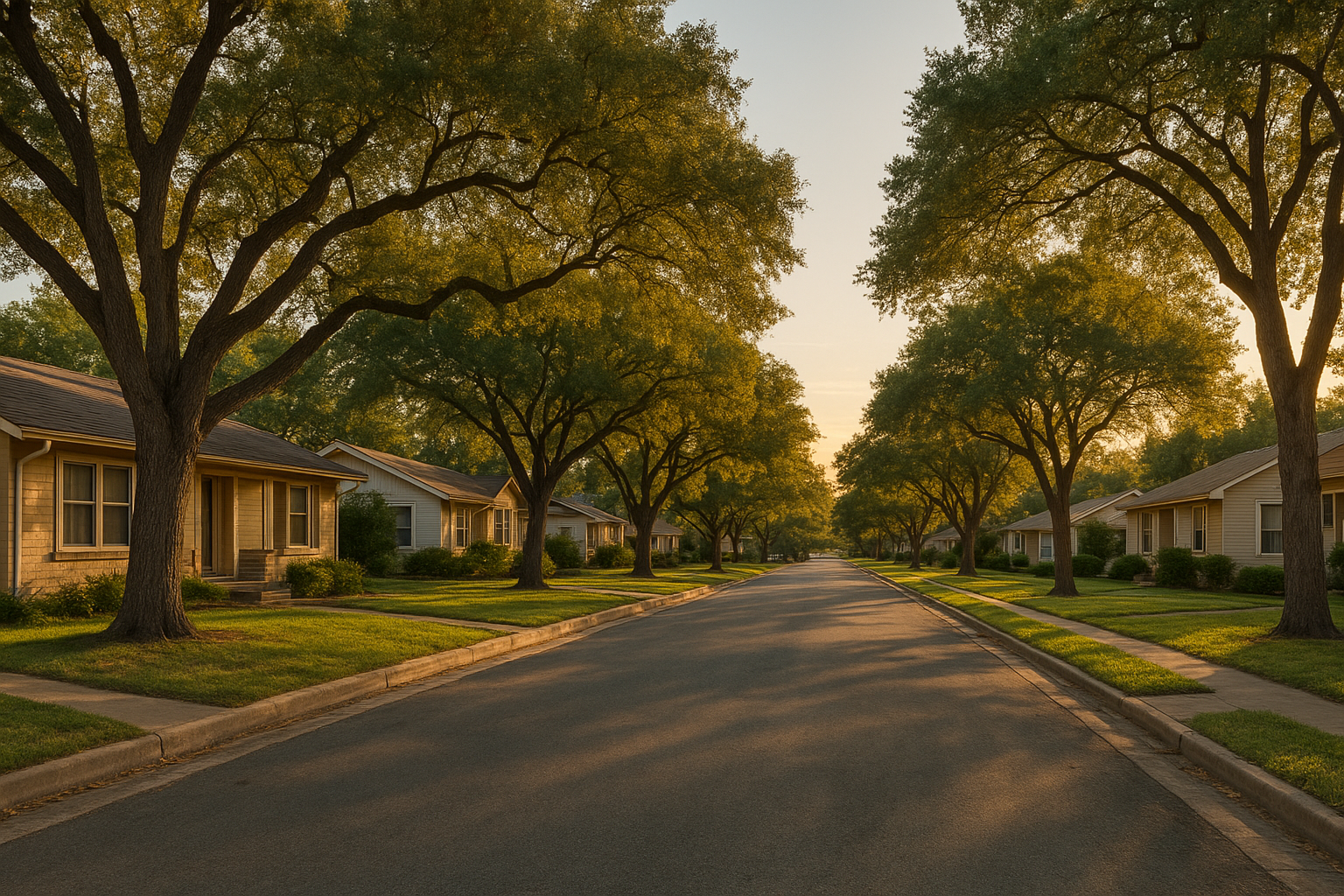
San Antonio's established neighborhoods remain popular among seniors selling and downsizing to smaller homes nearby.
Frequently Asked Questions About Seniors Selling in San Antonio
What does selling a home as a senior typically involve in San Antonio?
Seniors selling in San Antonio usually go through a market evaluation, decluttering, staging, listing, and negotiating a sale before moving to a smaller home or community. The process also often includes coordinating the move and closing on the same timeline as a next home.
How long does it take for a senior to sell a home in San Antonio?
Most well-priced San Antonio homes sell within 30 to 60 days once listed, though preparation time for sorting belongings can add several weeks. A realistic timeline, built around the seller's goals, helps reduce stress.
Why do many San Antonio retirees choose to downsize?
Retirees often downsize to reduce maintenance, lower monthly costs, and free up equity from a long-time family home. Others move to be closer to adult children or to single-story living that is easier to manage.
What are common mistakes senior home sellers make?
Common mistakes include overpricing out of sentimental attachment, skipping minor repairs, and waiting too long to start sorting decades of belongings. Working with an experienced REALTOR® early helps avoid these pitfalls.
How much does it cost to sell a home in San Antonio as a senior?
Selling costs typically include a REALTOR® commission, closing costs, and any pre-sale repairs, which together often range from 7 to 10 percent of the sale price. A personalized consultation can provide a more exact estimate based on the home's condition.
What is the difference between downsizing and moving to a retirement community?
Downsizing simply means moving to a smaller home, while a retirement community adds shared amenities and sometimes care services. Many seniors selling in San Antonio choose downsizing first and consider a community later.
Can seniors sell a home without making repairs first?
Yes, many homes sell as-is, though unaddressed repairs can affect the offer price or buyer financing. A REALTOR® can advise which fixes are worth the investment and which can be skipped.
How do I choose the right REALTOR® for selling as a senior?
Look for a REALTOR® who listens to your timeline and goals rather than pushing a one-size-fits-all plan. Experience with downsizing clients and strong local marketing knowledge in San Antonio are also important factors.
What tax considerations should senior home sellers know about?
Many homeowners can exclude a significant portion of capital gains on the sale of a primary residence under IRS rules, though eligibility depends on ownership and use history. A tax professional should confirm how this applies to an individual situation.
How do I prepare a long-time family home for sale?
Start by sorting belongings into keep, donate, and sell categories, then address minor repairs and deep cleaning. Staging key rooms and improving curb appeal typically offer the best return on effort.
What support does Delcina Smith offer senior home sellers in San Antonio?
Delcina Smith offers personalized consultations, customized selling strategies, and connections to a mortgage lender and title company to simplify the process. She works closely with sellers to match the plan to their timeline and goals.
How can family members help an aging parent sell their home?
Family members can assist by helping sort belongings, attending consultations, and coordinating moving logistics. However, keeping the senior homeowner involved in final decisions helps the transition feel respectful and manageable.
How do I get started selling my home in San Antonio as a senior?
The first step is scheduling a personalized consultation to discuss your home, timeline, and goals. From there, a customized marketing and pricing plan can be built around your specific needs.
Final Thoughts on Selling Later in Life
Ultimately, seniors selling in San Antonio do not have to navigate the process alone or settle for a generic plan. With clear steps, realistic timelines, and a REALTOR® who takes the time to understand individual goals, downsizing can feel less like a loss and more like the start of a simpler chapter. Whether the next move involves a smaller single-family home, a condo, or a retirement community, the right preparation makes all the difference.
If you are ready to discuss your own timeline and goals, reach out through the contact page to schedule a personalized consultation by phone, email, or the online form.