San Antonio Real Estate Market: 2026 Guide & Trends
Get an inside look at the San Antonio real estate market—trends, pricing, and strategies for buyers and sellers. Contact Delcina Smith for guidance.
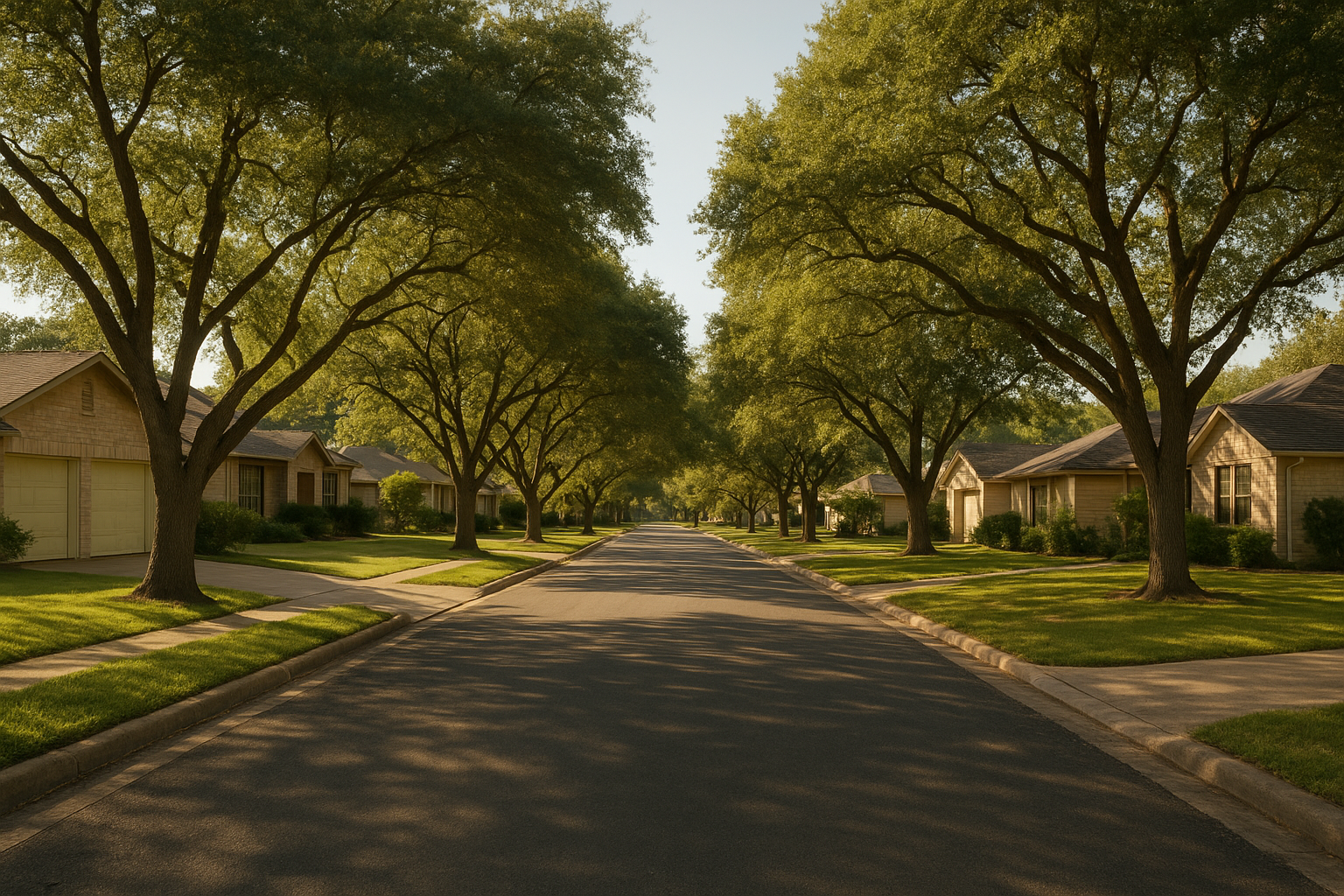
The San Antonio real estate market is moving into late 2026 with rising inventory, steadier price growth, and a noticeably more balanced playing field for both buyers and sellers than the frantic years just behind us. Whether you're a first-time buyer, a growing family, an investor, or an empty nester ready to downsize, understanding exactly where the market stands right now helps you act with confidence instead of guesswork. This guide goes well beyond a quick snapshot — it covers pricing, forecasts, mortgage rate impacts, neighborhood-level trends, investment math, luxury dynamics, and a step-by-step plan for buying or selling in San Antonio, Texas.
Quick answer: The San Antonio real estate market in 2026 is moderately competitive and more balanced than during the pandemic-era surge. Inventory is rising, price growth has slowed to a steadier pace, and well-priced homes in desirable neighborhoods still draw strong buyer interest — while overpriced or outdated listings sit noticeably longer.
What Is the San Antonio Real Estate Market Like Right Now?
The San Antonio real estate market is best described as gradually normalizing after several years of rapid appreciation. Consequently, buyers today have more choices and slightly more negotiating room than they did just a few years ago. In particular, homes priced accurately for their condition and location continue to attract multiple showings within the first two weeks on the market.
However, higher-priced homes and properties needing updates often sit longer, which means pricing strategy matters more than ever. Furthermore, mortgage rate movements continue to influence how quickly buyers act once they find the right property. As a result, sellers who price competitively from day one tend to see stronger results than those who chase the market downward later with repeated price cuts.
San Antonio Housing Market Forecast: Will Prices Rise or Fall Through 2026?
Looking ahead, most local indicators point toward modest, sustainable price growth rather than another sharp spike or a downturn. Specifically, inventory has been climbing steadily for several quarters, which naturally cools the bidding-war dynamics that defined 2021 and 2022. In contrast, demand has not collapsed — it has simply shifted toward a slower, more deliberate pace.
Therefore, a market crash scenario looks unlikely given San Antonio's continued population inflow, diverse job base, and comparatively affordable price point relative to Austin, Dallas, and Houston. Nevertheless, individual neighborhoods can and do move differently, so a citywide forecast should never replace a hyperlocal comparative market analysis before you buy or sell.
Is San Antonio a Buyer's Market or a Seller's Market Right Now?
In truth, San Antonio currently sits somewhere in the middle, and the answer changes depending on price range and neighborhood. For example, entry-level and mid-priced homes in popular school districts still lean toward sellers, with multiple offers common when a listing is priced right. Meanwhile, the upper-price tiers and homes needing cosmetic work have tilted noticeably toward buyers, who now have the luxury of comparison shopping.
Above all, this split condition is exactly why a blanket national headline rarely applies to your specific street or ZIP code. Instead, a localized read of active listings, pending sales, and recent closings gives a far more reliable answer.
San Antonio Housing Trends Buyers Should Know
San Antonio housing trends currently favor buyers who are patient and prepared. For example, inventory has grown steadily across most price segments, giving buyers more time to compare properties before committing. In addition, new construction continues in outlying suburbs, which adds competition for resale homes in similar price ranges.
Meanwhile, established neighborhoods closer to downtown and major employment centers remain in strong demand. Therefore, buyers targeting these areas should expect faster decision timelines and, in some cases, competitive offer situations. Above all, working with someone familiar with hyperlocal conditions helps buyers avoid overpaying or missing well-priced opportunities.
Neighborhood conditions vary widely across the San Antonio real estate market, making local knowledge essential.
San Antonio Home Prices and Inventory Levels by Segment
Pricing across San Antonio varies significantly by neighborhood, school district, and property type. Specifically, more affordable homes tend to move quickly, while larger or luxury properties often require longer marketing periods. According to U.S. Census Bureau data, the San Antonio–New Braunfels metro area has ranked among the fastest-growing large metros in the country for over a decade, a trend that continues to support long-term housing demand.
This sustained population growth, in turn, keeps buyer demand relatively steady even as price growth slows. Similarly, rental demand remains healthy, which matters for investors weighing residential purchases. In general, the local market breaks down into three broad price-driven behaviors worth understanding:
- Entry-level homes typically see the fastest turnover and the most buyer competition.
- Mid-range family homes move steadily but reward accurate, data-backed pricing from the start.
- Upper-tier and luxury properties take longer to sell and depend heavily on targeted marketing.
For a broader look at neighborhood-level changes, the San Antonio neighborhood news updates offer helpful, area-specific context you won't find in generic national reports.
How Mortgage Rates Are Shaping the San Antonio Real Estate Market
Mortgage rates remain one of the biggest factors behind buyer urgency. For instance, even small rate shifts can change a buyer's monthly payment by hundreds of dollars, which directly affects how quickly offers come in. Consequently, buyers who get pre-approved early and lock in favorable terms often move faster and with more confidence than those who wait.
In addition, some sellers are offering rate buydowns or closing cost credits to help bridge affordability gaps, a tactic that has become more common as rates have fluctuated. As a result, buyers should always ask about seller concessions rather than assuming the listed price is the final negotiation point.
New Construction vs. Resale Homes: What San Antonio Buyers Should Compare
New construction continues to expand in suburbs like the far North Side, Northwest side, and outlying communities, often with builder incentives such as rate buydowns or design-upgrade credits. In contrast, resale homes closer to the urban core tend to offer mature landscaping, established neighborhoods, and often a lower price per square foot.
Therefore, the right choice depends on your priorities. Specifically, buyers who value brand-new systems and builder warranties may prefer new construction, while buyers who want shorter commutes and established tree cover may lean toward resale. Either way, comparing both options side by side — rather than focusing on just one — produces a smarter, better-informed decision.
Best San Antonio Neighborhoods for Buyers, Families, and Investors
Different buyer types gravitate toward different pockets of the San Antonio real estate market, and matching your goals to the right area matters as much as matching your budget. For example:
- First-time buyers often find the best value in up-and-coming neighborhoods with growing amenities and shorter commute times.
- Growing families tend to prioritize highly rated school districts, larger lots, and proximity to parks.
- Investors frequently target areas near military installations, hospitals, and universities where steady rental demand is well documented.
- Empty nesters often prefer low-maintenance properties close to medical centers, shopping, and walkable amenities.
Above all, neighborhood-level data changes often enough that a one-size-fits-all list goes stale quickly — which is exactly why a personalized consultation beats a generic ranking.
Selling Your Home in San Antonio's Current Housing Market
Selling successfully in San Antonio's current housing market starts with an honest, data-backed price assessment. Every seller's situation is unique, so a strategy built around your specific needs, timeline, and goals typically outperforms a generic listing approach. For instance, a seller relocating quickly for work may prioritize speed over maximum price, while another seller may prefer to wait for the right offer.
In addition, professional marketing, accurate pricing, and clear communication throughout the process reduce surprises at closing. Practical tips for preparing a home, timing a listing, and negotiating offers are covered in more detail in these buying and selling tips, which apply directly to today's San Antonio conditions.
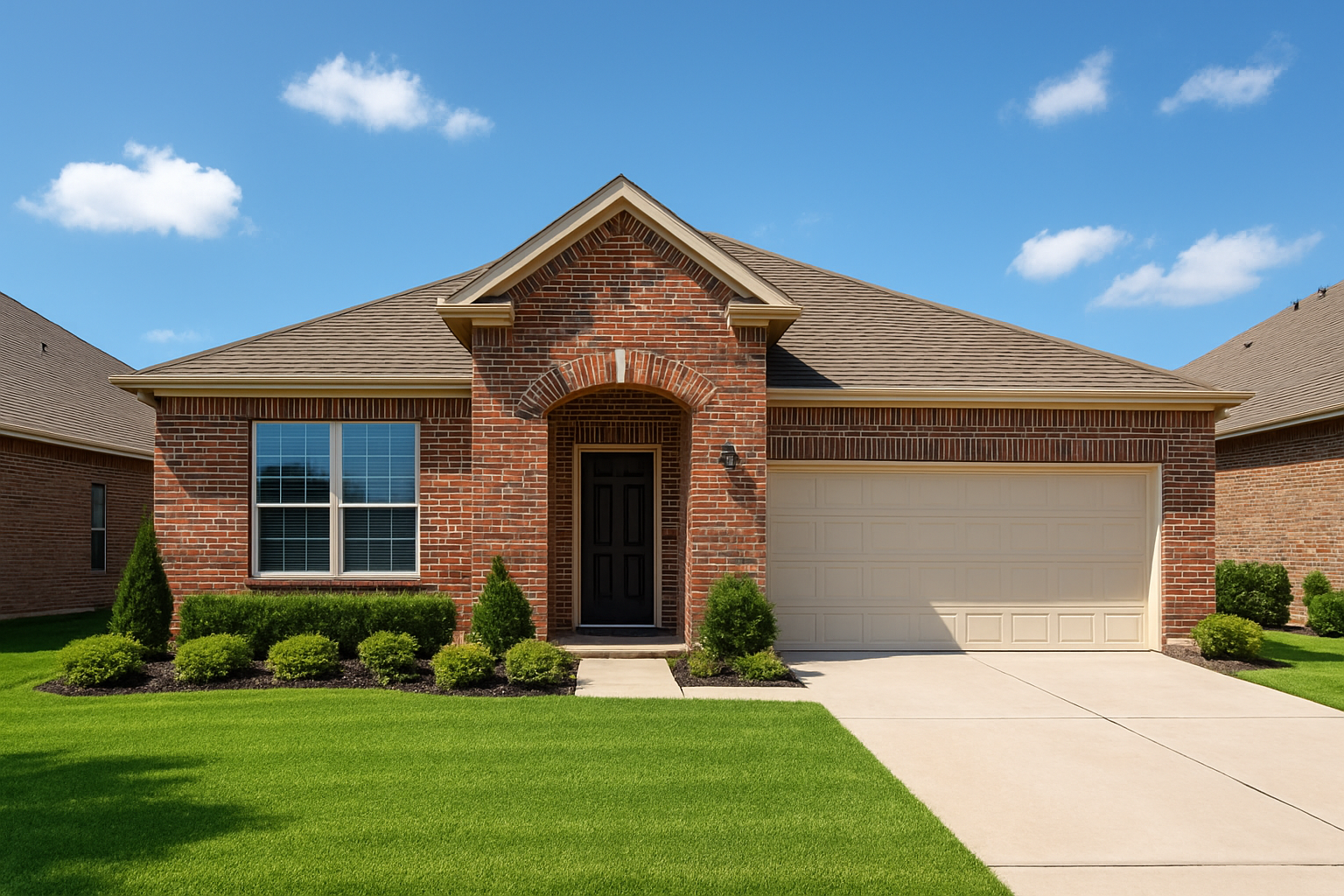
Curb appeal and accurate pricing remain two of the strongest tools sellers have in today's market.
Investing in San Antonio Residential Real Estate
Real estate investors continue to view San Antonio favorably due to consistent population growth and comparatively affordable entry prices versus other major Texas metros. Specifically, single-family rentals and small multi-family properties remain popular among investors seeking steady cash flow. Nevertheless, investment success depends heavily on neighborhood selection, financing terms, and realistic rent projections.
Therefore, investors benefit from guidance grounded in local data rather than national headlines alone. Above all, aligning each purchase with clear financial goals helps investors avoid common overpricing and cash-flow mistakes.
Rental Market Outlook and Cash Flow Considerations for Investors
Rental demand in San Antonio stays healthy largely because of steady job growth in healthcare, military, and manufacturing sectors, which continuously brings new renters into the metro. As a result, well-located single-family rentals often maintain low vacancy periods compared to many other Texas markets.
However, cash flow still depends on realistic assumptions about property taxes, insurance, and maintenance reserves — not just gross rent numbers. Consequently, running conservative projections before closing protects investors from overestimating returns in a market that, while strong, is not immune to cost increases.
Luxury Residential Real Estate Trends in San Antonio
Luxury residential real estate in San Antonio operates on a different timeline than the broader market. In particular, high-end buyers are fewer in number, so marketing quality, privacy, and targeted exposure matter more than speed. Consequently, luxury sellers often benefit from patient, detail-oriented strategies rather than aggressive price cuts.
Meanwhile, luxury buyers frequently look for specific lot features, architectural style, or proximity to golf courses and gated communities. As a result, working with someone familiar with San Antonio's luxury segment helps both buyers and sellers navigate these more nuanced transactions.
How to Navigate the San Antonio Real Estate Market in 5 Steps
Whether buying or selling, a structured approach reduces stress and avoids costly missteps. The following process outlines the core steps used to guide clients through today's San Antonio real estate market.
- Define your goals and timeline. Clarify whether you are buying, selling, upsizing, downsizing, or investing, then set a realistic timeline that fits your personal and financial circumstances.
- Review current market data. Examine recent sales, active listings, and neighborhood trends across San Antonio to understand realistic pricing and competition levels.
- Get pre-approved or price your home. Buyers should secure mortgage pre-approval, while sellers should request a comparative market analysis to set an accurate listing price.
- Build a personalized strategy. Work with a local REALTOR® to design a plan for marketing, showings, offers, and negotiations tailored specifically to your needs.
- Negotiate and close with guidance. Rely on experienced support through inspections, negotiations, and closing paperwork to keep the transaction on track and avoid costly errors.

A personalized consultation helps clarify the right strategy for your goals and timeline.
Why Work With a Local San Antonio REALTOR®?
Delcina Smith is a REALTOR® and real estate salesperson with CENTURY 21 Integra who has spent eight years helping buyers and sellers throughout San Antonio and the surrounding area. Before real estate, she worked in banking, which shapes how she approaches financing questions and negotiations. In addition, she has lived in San Antonio for fifteen years, giving her firsthand familiarity with the neighborhoods, schools, and growth patterns that shape local pricing.
She works with residential and luxury residential clients, including first-time buyers, growing families, empty nesters, and investors, always emphasizing that every situation is unique. To see current inventory or explore available properties, visit the active listings page, or learn more directly at delcinasmithrealtor.com. For a deeper look at national housing terminology and definitions, resources like the Wikipedia overview of real estate economics and the National Association of REALTORS® research can add useful national context.
Population figures and metro growth statistics referenced throughout this guide are informed by publicly available data from the U.S. Census Bureau, which regularly tracks San Antonio's population and housing figures. If you have questions specific to your situation, the contact page is the fastest way to schedule a personalized consultation.
Frequently Asked Questions About the San Antonio Real Estate Market
What is the San Antonio real estate market like today?
The San Antonio real estate market is currently balanced, with rising inventory, steadier price growth, and continued demand from buyers relocating to Texas. Well-priced homes in popular neighborhoods still move quickly, while higher-priced listings often require more negotiation time.
Is now a good time to buy a home in San Antonio?
For many buyers, yes, because inventory has grown and price growth has slowed compared to previous years. However, the right timing depends on your budget, timeline, and goals, which is why a personalized consultation helps.
How long does it take to sell a home in San Antonio?
Well-priced, well-marketed homes in desirable San Antonio neighborhoods can sell within a few weeks, while others may take longer depending on condition and price point. A customized strategy based on your timeline and goals helps set realistic expectations.
What is driving demand in the San Antonio housing market?
Population growth, relative affordability compared to other major Texas cities, and job growth in sectors like healthcare, military, and manufacturing continue to draw buyers to San Antonio. This steady demand supports long-term stability in the local housing market.
Are home prices going up or down in San Antonio?
Home prices in San Antonio have generally leveled off after several years of rapid growth, with more modest, steady movement now typical across most neighborhoods. Specific price trends vary by area, home type, and condition.
Will the San Antonio housing market crash in 2026?
A crash scenario looks unlikely given continued population growth, a diversified job base, and prices that remain comparatively affordable next to other major Texas metros. In contrast, a gradual, sustainable pace of appreciation is the more probable outcome.
How do mortgage rates affect the San Antonio real estate market?
Mortgage rate changes directly affect monthly payments and buyer urgency, which in turn influences how quickly homes sell. Therefore, getting pre-approved early and understanding available seller concessions helps buyers act decisively when rates shift.
Do you help first-time home buyers in San Antonio?
Yes, first-time buyers are a core part of the services offered, including guidance on financing options, neighborhood selection, and the offer process. A personalized consultation helps first-time buyers understand each step with confidence.
How much does it cost to sell a home in San Antonio?
Selling costs typically include agent commission, closing costs, and any negotiated repairs or concessions, which together often range between roughly six to ten percent of the sale price. Exact costs depend on the property and the terms negotiated during the sale.
What mistakes should sellers avoid in the San Antonio real estate market?
Common mistakes include overpricing the home, skipping professional photography, and ignoring minor repairs that affect buyer impressions. Working with an agent who tailors a strategy to your specific timeline and goals helps avoid these pitfalls.
Do you work with real estate investors in San Antonio?
Yes, investor clients are supported with market insight on rental demand, neighborhood growth patterns, and residential property opportunities. Investment strategies are tailored to each investor's goals and risk tolerance.
Can you help a growing family find a larger home in San Antonio?
Absolutely, growing families are matched with homes that fit current needs and future plans, including school districts, layout, and neighborhood amenities. This process is guided by a personalized consultation focused on the family's specific priorities.
What should empty nesters know about downsizing in San Antonio?
Empty nesters downsizing in San Antonio often benefit from timing the sale of their current home carefully alongside the purchase of a smaller property. A customized plan considers equity, timeline, and lifestyle goals to make the transition smoother.
Is luxury residential real estate different from typical San Antonio listings?
Luxury residential real estate generally involves specialized marketing, a smaller pool of qualified buyers, and more detailed negotiations than standard listings. Experience with high-end properties helps position luxury homes effectively within the San Antonio real estate market.
Which areas around San Antonio are covered?
Service extends across San Antonio and the surrounding area, covering a range of neighborhoods suited to different budgets and lifestyles. Buyers and sellers throughout the greater San Antonio region can request a personalized consultation.
How do I schedule a consultation to discuss the San Antonio real estate market?
You can schedule a personalized consultation by phone, email, or through the online contact form to discuss your specific needs, timeline, and goals. Reaching out early allows more time to build a strategy suited to current market conditions.
Ready to talk about your specific goals?
Call (210) 974-4641, reach the office at (210) 979-6700, or email delcina.smith@c21integra.com to schedule a personalized consultation.
In summary, the San Antonio real estate market continues to shift toward more balanced conditions, giving both buyers and sellers new opportunities compared to the fast-paced years before. Above all, success in this environment depends on accurate pricing, local knowledge, and a strategy tailored to your specific needs, timeline, and goals. Whether you are buying your first home, growing into a larger property, downsizing, or investing, understanding these trends helps you move forward with confidence. For personalized guidance through the San Antonio real estate market, reaching out for a one-on-one consultation remains the most effective next step.