San Antonio Real Estate Investor Services: 2026 Guide
Explore San Antonio real estate investor services, from rental data to buying strategies. Contact Delcina Smith for a personalized consultation.

San Antonio real estate investor services is the set of professional guidance, market research, and transaction support that helps property investors buy, sell, and manage rental or resale property throughout the San Antonio region. Whether you are purchasing a first rental duplex or expanding a portfolio, these services usually include neighborhood analysis, financing coordination, and negotiation support. In addition, a knowledgeable REALTOR® can help you avoid costly missteps in a competitive market. This guide explains what these services cover, why San Antonio attracts investors, and the steps to follow before closing.
Quick answer: San Antonio real estate investor services connect buyers and sellers of rental or resale property with local market data, financing resources, and a REALTOR® experienced in investment transactions. These services help investors evaluate cash flow, cap rate, and neighborhood growth before making an offer.
What Are San Antonio Real Estate Investor Services?
San Antonio real estate investor services typically include property search assistance, comparative market analysis, negotiation support, and referrals to lenders, inspectors, and title companies. These services exist because investment transactions differ from a typical home purchase. The buyer usually cares less about personal taste and more about the numbers behind the deal.
For example, an investor targeting a duplex needs rental rate data, not just square footage. Likewise, an investor eyeing a fixer-upper needs a realistic repair estimate before writing an offer. To see how this plays out in practice, you can explore more detail on Delcina Smith's San Antonio real estate website.
Why Investors Are Targeting San Antonio's Property Market
San Antonio continues to draw investors because of steady population growth, relatively affordable entry prices compared with other major Texas metros, and a diverse job base anchored by military, healthcare, and tourism employers. According to the U.S. Census Bureau, San Antonio remains one of the larger and faster-growing cities in the country, which supports consistent rental demand.
However, not every ZIP code performs the same way, so investors should study submarket data rather than assuming the whole city behaves identically. The National Association of REALTORS® has noted that investors account for a meaningful share of home purchases nationwide, and San Antonio is no exception. As a result, competition for well-priced properties has increased.
Personalized guidance is central to effective San Antonio real estate investor services.
San Antonio Rental Market Snapshot
While exact rents and prices shift from quarter to quarter, the table below summarizes general patterns investors should research before buying.
| Property Type | Typical Investor Focus | Common Strategy |
|---|---|---|
| Single-family rental | Steady, long-term cash flow | Buy-and-hold |
| Duplex or fourplex | Multiple income streams per lot | House hacking |
| Fixer-upper | Equity through renovation | Fix-and-flip |
| Short-term rental | Tourism or relocation demand | Furnished nightly rental |
Types of Real Estate Investment Strategies to Consider
Before searching listings, it helps to decide which strategy fits your goals, timeline, and risk tolerance. Therefore, most San Antonio investors fall into one of four categories.
- Buy-and-hold: purchase a property, rent it out, and hold it for years while collecting rent and building equity.
- Fix-and-flip: buy a distressed property, renovate it, and resell it within months for a profit.
- Short-term rental: furnish a property and rent it nightly or weekly near tourist or medical corridors.
- House hacking: live in one unit of a duplex while renting out the others to offset the mortgage.
Each approach requires different financing. For instance, a fix-and-flip may need a short-term renovation loan, while a buy-and-hold purchase often works with a traditional mortgage. Similarly, short-term rentals may require specific permits, so confirming local rules before committing capital matters.
How to Start Investing in San Antonio Real Estate
Getting started is easier with a clear process. The steps below outline how most investors move from idea to closing.
- Define your strategy and budget. Decide whether you want long-term rental income, a quick resale profit, or a short-term rental, and confirm how much capital you can commit.
- Secure financing or confirm available funds. Speak with a lender about investment property loan requirements, since terms often differ from owner-occupied loans.
- Research San Antonio neighborhoods and rental data. Compare rent averages, vacancy trends, and growth patterns across the metro before narrowing your search.
- Partner with a REALTOR® experienced in investor transactions. An agent familiar with investment deals can flag issues a general listing search might miss.
- Run the numbers on cash flow and cap rate. Calculate expected rent against mortgage, taxes, insurance, and maintenance costs to confirm the return targets.
- Make an offer and complete due diligence. Schedule inspections and review title work before the option period ends on the contract.
- Close and arrange management. Decide whether to self-manage or hire a property manager, then prepare the unit for tenants or guests.
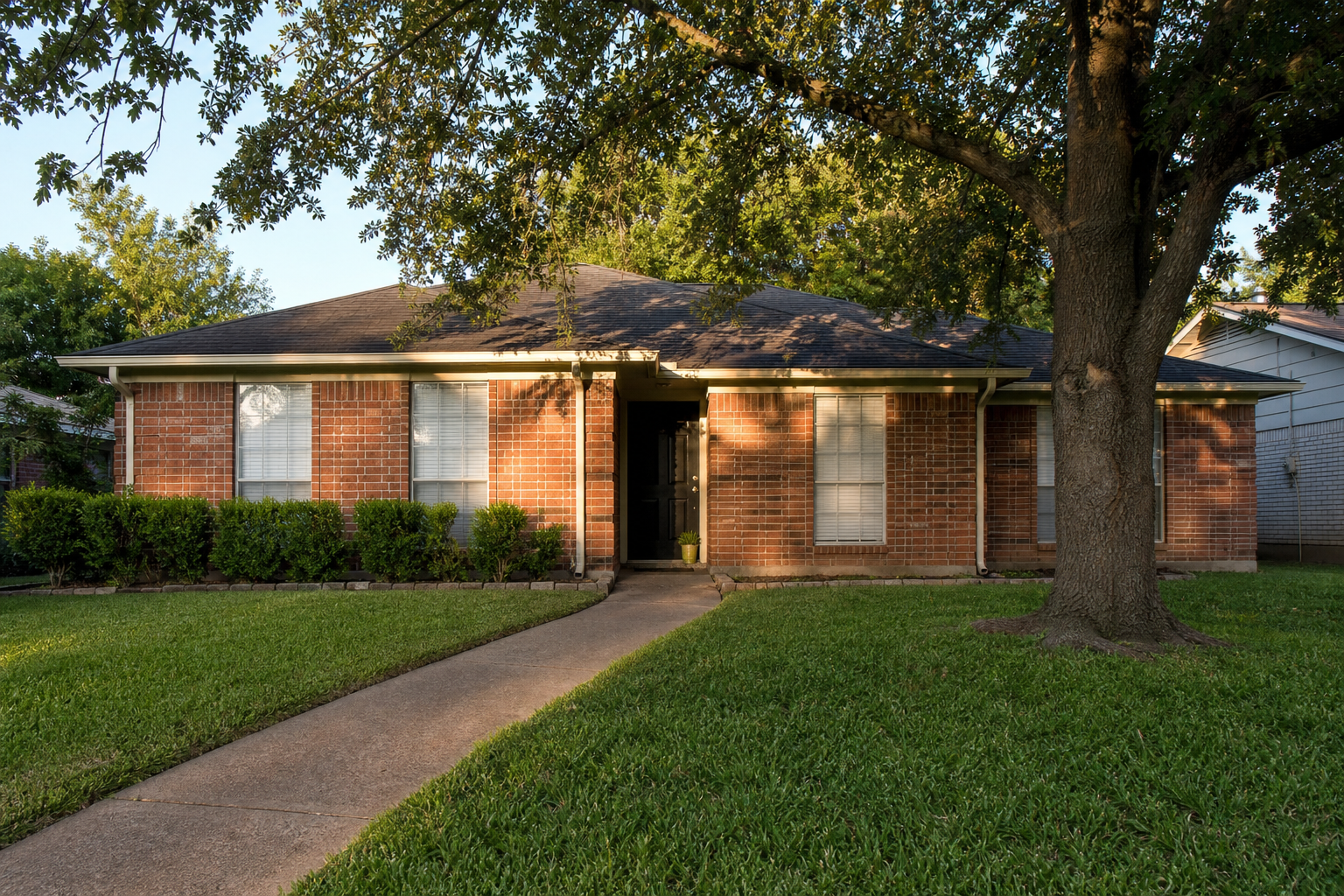
Single-family rentals remain a popular entry point for San Antonio investors.
Why Work With a REALTOR® for Investment Property Services
Some investors try to handle transactions alone to save on commission costs. However, a REALTOR® who focuses on investment property services often pays for themselves through faster deal flow and stronger negotiation outcomes. Specifically, an experienced agent can pull comparable rental data and flag red flags during a walkthrough that an untrained eye might miss.
Moreover, an agent with investor relationships typically has connections to contractors, lenders, and title companies who understand investment timelines. For a deeper look, this guide on hiring a REALTOR® for real estate investment breaks down the advantages in more detail. In particular, this resource on choosing the right REALTOR® for investors in San Antonio covers questions to ask before signing a buyer's agreement.
Delcina Smith, a REALTOR® with CENTURY 21 Integra, works with investors, first-time buyers, and sellers throughout San Antonio and offers personalized consultations tailored to each client's goals.
Choosing the Right San Antonio Neighborhoods for Investors
Location decisions matter more than almost any other factor in real estate investing. Therefore, investors should study school district trends, job growth corridors, and planned infrastructure before buying. Areas near major employers or highway expansions often see rental demand rise ahead of broader price appreciation.
In addition, neighborhood character affects which strategy works best. A walkable area near downtown might suit a short-term rental, while a quiet suburb with good schools might attract long-term family tenants instead. To track how specific areas are changing, this neighborhood news resource highlights local updates. Similarly, these buying and selling tips cover timing and negotiation basics that apply to investment purchases as well.

Reviewing rental data helps investors make confident offers.
Common Mistakes to Avoid When Investing in San Antonio
Even experienced investors make avoidable errors. Above all, underestimating repair costs on a fixer-upper tends to be the most common mistake, since surprise expenses can erase projected profit. Therefore, a thorough inspection before closing is essential.
Another frequent issue is ignoring financing terms specific to investment property, since rates and down payments typically run higher than for a primary residence. Likewise, skipping tenant screening can lead to costly vacancies. Finally, investors sometimes overlook tax strategy. For instance, a 1031 exchange can defer capital gains tax when selling one investment property to buy another, but the rules are strict. The IRS guidance on like-kind exchanges outlines these requirements, and a tax professional should review any exchange before it is finalized.
Frequently Asked Questions About San Antonio Real Estate Investor Services
What are San Antonio real estate investor services?
San Antonio real estate investor services are the combination of market research, financing referrals, and transaction support that help investors buy, sell, or manage property in the San Antonio area. They typically include rental analysis, negotiation help, and connections to lenders and contractors.
How do I start investing in San Antonio real estate?
Start by defining your investment strategy and budget, then arrange financing before searching for properties. Partnering with a REALTOR® who works with investors regularly speeds up the process.
What is a good cap rate for a San Antonio rental property?
Cap rate targets vary by investor and property type, but most buy-and-hold investors look for returns that cover the mortgage, taxes, and maintenance while leaving positive cash flow. A local agent can calculate realistic numbers for a specific property.
Should I work with a REALTOR® when buying an investment property?
Yes, in most cases. A REALTOR® experienced in investment transactions can find off-market opportunities, estimate repair costs, and negotiate terms that protect your return.
Which San Antonio neighborhoods are best for rental investment?
The best neighborhood depends on your strategy, since long-term rentals, short-term rentals, and flips each perform differently based on schools, jobs, and walkability. Reviewing local trends before buying helps narrow the search.
How much does it cost to hire a real estate agent for an investment property?
In most residential transactions the seller pays the commission, so buyers often work with an agent at little to no direct cost. Specific terms should be confirmed in a buyer representation agreement.
How long does it take to close on an investment property in San Antonio?
A typical financed closing takes about 30 to 45 days, while cash purchases can close faster. Inspection findings and lender processing speed can shift the timeline.
What is a 1031 exchange, and does it apply in San Antonio?
A 1031 exchange lets an investor defer capital gains tax by reinvesting proceeds into a similar property, and it applies in San Antonio the same way it does nationwide. Strict timing rules apply, so a tax advisor should be involved early.
Can first-time investors buy rental property in San Antonio?
Yes, many first-time investors start with a single-family rental or small duplex before scaling further. Working with an agent who explains financing options makes the first purchase less overwhelming.
What is the difference between buy-and-hold and fix-and-flip investing?
Buy-and-hold investing focuses on long-term rental income and gradual appreciation, while fix-and-flip aims for a faster profit through renovation and resale. Each requires different financing and risk tolerance.
Do I need a property manager for a San Antonio rental?
A property manager is not required, but many out-of-town or first-time investors find one helpful for screening tenants and handling maintenance. Self-managing can save money but needs more hands-on time.
What mistakes do new investors make in the San Antonio market?
Common mistakes include underestimating repair costs, misjudging investment financing terms, and skipping tenant screening. Careful budgeting and professional guidance help avoid most of these issues.
How does Delcina Smith help real estate investors in San Antonio?
Delcina Smith, a REALTOR® with CENTURY 21 Integra, offers personalized consultations for investors, first-time buyers, and sellers across San Antonio, tailoring strategy to each client's timeline and goals. She can be reached by phone, email, or the contact form on her website.
Is short-term rental investing allowed in San Antonio?
Short-term rental rules vary by location and city ordinance, so permitting should be confirmed before purchasing a property for that purpose. A local REALTOR® familiar with current regulations can verify what is allowed in a specific area.
Final Thoughts on San Antonio Real Estate Investor Services
Investing in rental or resale property works best with clear goals, realistic numbers, and local market knowledge. San Antonio real estate investor services bring all three together, pairing market data with professional negotiation and financing support to help investors move with confidence. Therefore, whether you are buying your first duplex or expanding a growing portfolio, working with a REALTOR® who understands investment transactions can make the process smoother and more profitable. To discuss your specific goals and timeline, reach out through Delcina Smith's San Antonio real estate website for a personalized consultation.
