Probate Sales in San Antonio: A Complete Seller's Guide
Probate sales in San Antonio require special care. Delcina Smith guides executors and heirs through the process—reach out today for trusted help.
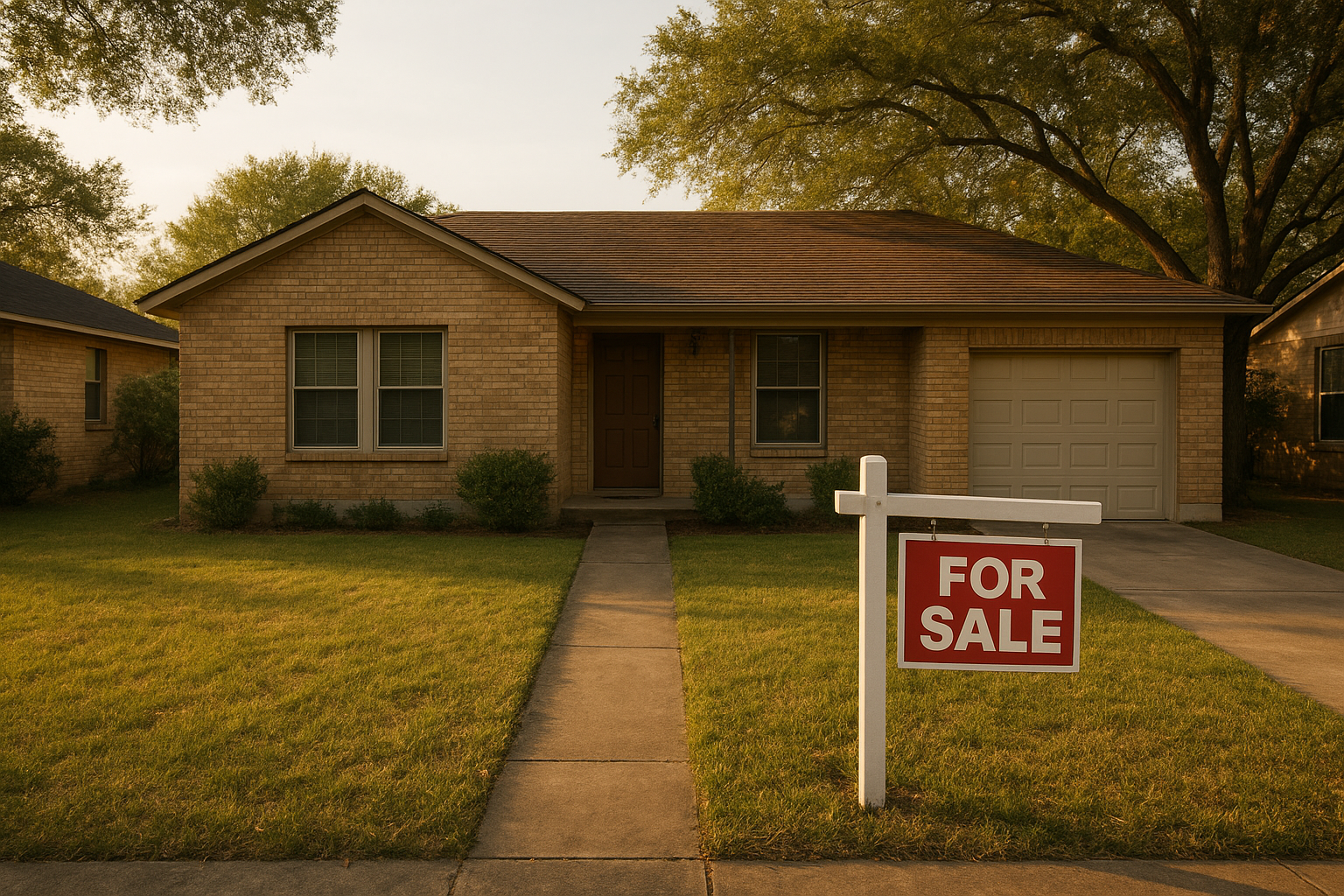
Probate sales happen when a property must be sold as part of settling a deceased person's estate, and the process can feel overwhelming for executors and heirs who have never dealt with Texas probate court before. In San Antonio, probate sales require a careful blend of legal knowledge, patience, and real estate expertise to move forward smoothly. Delcina Smith, a REALTOR® and real estate salesperson with CENTURY 21 Integra, has spent eight years helping sellers understand exactly what probate sales involve and how to avoid costly delays. This guide explains how probate sales work, what Texas law requires, and how working with an experienced agent can make the process easier.
Probate sales often involve homes that have been in a family for years, which requires careful, informed handling.
What Are Probate Sales?
Probate sales are court-supervised real estate transactions in which property owned by a deceased person is sold to pay debts, cover taxes, or distribute assets among heirs according to a will or Texas intestacy law. An executor or administrator typically manages the sale, often under some level of court oversight.
In Texas, the process generally falls into two categories. Independent administration, which most wills request, gives the executor broad authority to manage and sell property without constant court approval for each step. Dependent administration, on the other hand, usually requires the court to confirm major decisions, including the final sale price of real estate. As a result, knowing which type of administration applies to an estate is one of the first and most important steps in any probate sale. For a deeper explanation of how probate works under Texas law, the Wikipedia overview of probate offers helpful general context.
Because San Antonio probate matters are typically filed through Bexar County, local court procedures and filing requirements come into play as well. Executors who understand these local nuances tend to move through the probate sales process with far fewer surprises.
How the Probate Sale Process Works in Texas
Although every estate is different, most probate sales in Texas follow a similar sequence of steps. Understanding this sequence in advance helps executors plan realistic timelines and avoid unnecessary delays.
- Open probate with the court. The executor or a qualified family member files an application with the county probate court to open the estate and request formal appointment.
- Obtain Letters Testamentary or Administration. Once appointed, the executor receives official documents proving legal authority to manage and sell estate property.
- Get the property appraised. A professional appraisal or market analysis establishes fair market value, which supports pricing and may satisfy tax or court requirements.
- Prepare and list the home. An experienced agent coordinates repairs, staging, and marketing so the property attracts serious, qualified buyers.
- Negotiate offers and secure confirmation if required. The executor reviews offers with the agent and attorney, then seeks court confirmation when the administration type requires it.
- Close the sale and distribute proceeds. The title company finalizes the transaction, estate debts and fees are paid, and remaining proceeds are distributed to heirs.
Timelines vary, but many independent administrations in Texas move through this sequence within six to twelve months from the time probate is opened, according to general guidance published by Texas probate courts. Dependent administrations, which require more court involvement, often take longer.

Reviewing paperwork with a knowledgeable agent helps keep probate sales on schedule.
Why Work With an Experienced Agent for Probate Property Sales
Probate property sales involve more moving parts than a typical listing, so working with an agent who understands the process is valuable. For instance, a seasoned agent knows how to coordinate with the estate attorney, title company, and mortgage lender at the same time, rather than treating each relationship separately. Delcina Smith has built working relationships with a mortgage lender and title company specifically to streamline this coordination for her clients.
In addition, marketing matters just as much in a probate sale as it does in any other transaction. Homes that sit vacant during probate can show signs of deferred maintenance, so an agent who knows how to stage, photograph, and price the property correctly helps it compete well against other listings. Prospective sellers can review Delcina's sold listings and her company's sold listings to see examples of successfully closed transactions in the San Antonio area.
Furthermore, communication becomes especially important when multiple heirs are involved. Clear, consistent updates reduce confusion and help everyone stay aligned on the estate's timeline and goals, which mirrors the personalized approach Delcina uses with every seller, probate or otherwise.
Common Challenges in Probate Home Sales
Selling an inherited home rarely goes exactly as planned, and several recurring challenges tend to surface. Specifically, multiple heirs may disagree about whether to sell, how to price the home, or how to split proceeds, which can slow decision-making. Similarly, homes that have been owned for decades often need repairs or updates before they are ready to list, and executors may not have funds available until the sale closes.
Moreover, emotional attachment can complicate otherwise straightforward decisions. A family home carries memories that go beyond its market value, so sellers sometimes need extra time to decide on pricing or timing. According to the U.S. Census Bureau, all Baby Boomers will be older than 65 by 2030, a demographic shift expected to increase the number of inherited and probate property sales nationwide in the coming years. As a result, more families in San Antonio are likely to face these decisions, which makes working with a patient, communicative agent increasingly important.
Finally, court timelines themselves can create uncertainty. Because dependent administrations may require a confirmation hearing before a sale closes, buyers sometimes hesitate to make offers on probate listings. An agent who sets clear expectations with buyers and their agents upfront helps prevent this hesitation from derailing a sale.
What Does It Cost to Sell a Probate Property in San Antonio?
Costs for probate property sales generally mirror those of a traditional home sale, including agent commission, title fees, and any necessary repairs. However, estates sometimes face additional costs tied to probate itself, such as attorney fees or court filing fees, which should be budgeted for separately from the real estate transaction. Sellers who want a detailed breakdown of typical selling costs can read this guide on what it costs to sell a house in San Antonio for a closer look at local pricing factors.
Consequently, getting an accurate cost estimate early in the process helps executors plan distributions to heirs more realistically. A personalized consultation is often the fastest way to understand how these costs apply to a specific estate and property. Helpful general background on real estate transactions is also available through the National Association of REALTORS®, while estate-specific court procedures can be confirmed through the Bexar County government website.
Deciding to move forward with probate sales is often a family decision shaped by timing, needs, and goals.
Frequently Asked Questions About Probate Sales
What are probate sales?
Probate sales are court-supervised real estate transactions where a deceased person's property is sold to pay debts, cover taxes, or distribute proceeds to heirs. An executor or court-appointed administrator typically manages the transaction on behalf of the estate.
How long does a probate sale take in Texas?
Most independent administrations in Texas take several months to close, and the real estate sale itself usually adds another 30 to 60 days once the home is listed. Dependent administrations that require court confirmation of the sale can take longer.
Who has the legal authority to sell a house during probate?
Only the executor named in the will or the administrator appointed by the probate court has authority to sell estate property. This authority is typically documented through Letters Testamentary or Letters of Administration.
Do I need court approval to sell a probate property?
It depends on the type of administration. Independent administrators in Texas usually can sell property without separate court approval for each step, while dependent administrations generally require the court to confirm the sale price and terms.
How are probate sales different from traditional home sales?
Probate sales involve extra legal steps, such as court filings and sometimes judicial confirmation, that traditional sales skip entirely. Pricing, disclosures, and timelines are also shaped by estate law rather than only by market conditions.
What mistakes should executors avoid in probate home sales?
Common mistakes include listing the home before probate authority is confirmed, skipping a professional appraisal, or ignoring deferred maintenance that discourages buyers. Working with an experienced agent early helps prevent these costly delays.
What does it cost to sell a probate property in San Antonio?
Costs typically mirror a traditional home sale, including agent commission, title fees, and any needed repairs, plus possible court or attorney fees tied to the probate process itself. A personalized consultation can clarify the likely total for a specific estate.
Can heirs sell a house before probate closes?
Generally, heirs cannot sell a property until the court grants the executor or administrator authority to act on behalf of the estate. Attempting to sell before that authority is granted can delay or void the transaction.
Do probate sales always sell below market value?
No, probate sales do not have to sell below market value. With accurate pricing, proper marketing, and a qualified agent, many probate homes sell at prices comparable to similar non-probate listings nearby.
What documents are needed for a probate sale?
Sellers typically need the death certificate, the will if one exists, Letters Testamentary or Administration, and standard property disclosure and title documents. An agent experienced in probate sales can help confirm exactly what the transaction requires.
Should I hire a real estate agent for a probate sale?
Yes, hiring an agent familiar with probate sales is strongly recommended because the process involves extra documentation, timelines, and sometimes court confirmation hearings. An experienced agent coordinates with attorneys, appraisers, and title companies to keep everything on track.
What happens if multiple heirs disagree about selling the home?
When heirs disagree, the executor or administrator usually still has authority to proceed if acting within the scope granted by the court. However, mediating heir concerns early, often with guidance from the estate attorney, helps prevent disputes from slowing the sale.
Are there tax implications when selling an inherited home?
Inherited property generally receives a stepped-up tax basis equal to its fair market value at the time of death, which can reduce capital gains tax on a later sale. A tax professional should confirm how this applies to a specific estate.
How do I get started with a probate sale in San Antonio?
The best first step is a personalized consultation with an agent who understands probate sales and the local San Antonio market. Delcina Smith can be reached by phone, email, or through her website's contact form to discuss the estate's specific timeline and goals.
Moving Forward with Confidence
Probate sales do not have to feel overwhelming when executors and heirs have the right guidance at every step. From opening the estate with the court to closing the final transaction, each stage benefits from clear communication and realistic timelines. Above all, pairing legal requirements with sound real estate strategy helps families settle an estate with less stress and a fair outcome for everyone involved.
For sellers navigating probate sales in San Antonio, general selling guidance can also be found in these buying and selling tips. Delcina Smith brings eight years of residential real estate experience, along with a background in banking, to help executors and heirs move through probate sales with confidence. To discuss a specific estate's needs, timeline, and goals, visit delcinasmithrealtor.com or reach out directly through the contact page to schedule a personalized consultation.