Need to Sell a Vacant Home in San Antonio? Here's How
Need to sell a vacant home in San Antonio? Discover proven strategies to sell fast, avoid risks, and get top dollar. Contact Delcina Smith today.
If you need to sell a vacant home in San Antonio, you already know an empty house brings its own set of headaches, from security worries to pricing confusion. Unlike an occupied property, a vacant home can sit on the market longer, attract unwanted attention, and even trigger insurance complications if it isn't managed carefully. Fortunately, with the right strategy, a vacant listing can move just as quickly as any other home. This guide walks through the practical steps, common risks, and local insights that make the difference.
Quick Answer: If you need to sell a vacant home in San Antonio, the fastest path to a successful sale is to secure the property immediately, stage it strategically, price it using current comparable sales, and work with an agent who actively markets vacant listings. Acting quickly reduces holding costs, vandalism risk, and the chance the home lingers unsold for months.
What Does It Mean to Sell a Vacant Home in San Antonio?
Selling a vacant home in San Antonio is the process of listing and closing on a property that no one currently occupies, whether it's an inherited house, a rental between tenants, or a home the owner already left for a new job. Because no one lives there, vacant homes often need extra attention to utilities, security, and presentation before buyers ever walk through the door.
In particular, lenders and insurers sometimes treat vacant properties differently than occupied ones. As a result, sellers who understand these differences upfront are better positioned to avoid delays during the closing process.
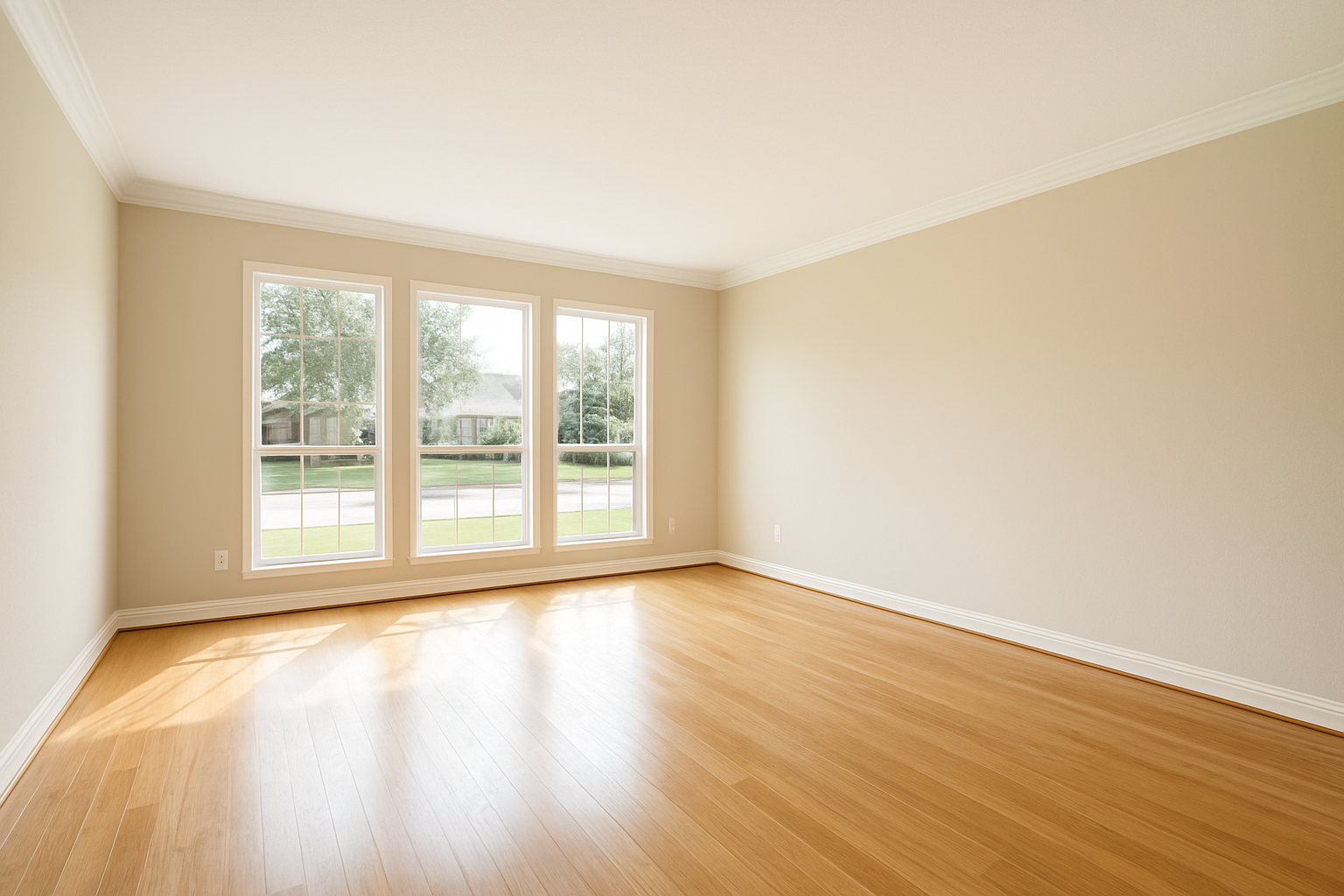
An empty living room like this is common for sellers who need to sell a vacant home in San Antonio quickly.
Why Selling an Empty House in San Antonio Takes a Different Approach
Unlike a lived-in home, an empty house gives buyers very little context. Rooms can look smaller than they are, and features like a cozy reading nook or a spacious dining area are easy to miss without furniture to define the space. Consequently, buyers may walk through faster and remember less.
In addition, vacant homes often sit longer when pricing or marketing doesn't account for this perception gap. For example, the U.S. Census Bureau's Housing Vacancy Survey has historically tracked homeowner vacancy rates near 1% nationally, yet vacant listings specifically can take longer to close than occupied ones simply because buyers struggle to picture themselves living in an empty space. Similarly, data cited by the National Association of REALTORS® consistently shows that presentation and pricing accuracy directly influence time on market.
Therefore, sellers who need to sell a vacant home in San Antonio should treat staging, photography, and pricing as priorities rather than afterthoughts.
Key Risks of Leaving a Property Unoccupied During a Sale
Above all, an unoccupied home carries risks that an occupied one simply doesn't face. Here are the most common issues sellers encounter:
- Vandalism or break-ins, since an empty home can signal that no one is watching the property.
- Undetected plumbing leaks or HVAC failures, because no one is present to notice early warning signs.
- Lapsed or voided homeowners insurance once a property sits empty beyond the insurer's stated limit.
- Curb appeal decline, since untended lawns and overgrown landscaping are easy to spot from the street.
- Slower buyer interest if the home looks neglected in photos or during showings.
Fortunately, most of these risks are preventable with routine check-ins, a monitored security system, and a proactive maintenance schedule.
How to Sell a Vacant House in San Antonio: A Step-by-Step Process
Below is a practical sequence for moving from an empty listing to a closed sale. Each step builds on the one before it, so following the order helps avoid costly surprises later.
- Secure the property. Change the locks, install a visible alarm or camera system, and add timed lighting so the home doesn't become an easy target.
- Maintain utilities and systems. Keep electricity, water, and climate control running to prevent mold, pest problems, and HVAC damage.
- Schedule a pre-listing inspection. A licensed inspector can catch plumbing, roofing, or foundation issues before buyers find them first.
- Stage the home strategically. Furnish key rooms, or use virtual staging, so buyers can picture how the space actually functions.
- Price using current comparable sales. A local agent can analyze recent San Antonio data to set a price that reflects real demand.
- Market the listing aggressively. Professional photography and video walkthroughs matter even more for a home with no furniture.
- Review offers carefully. Vacant properties sometimes attract investor offers with different terms, so compare financing and timelines closely.
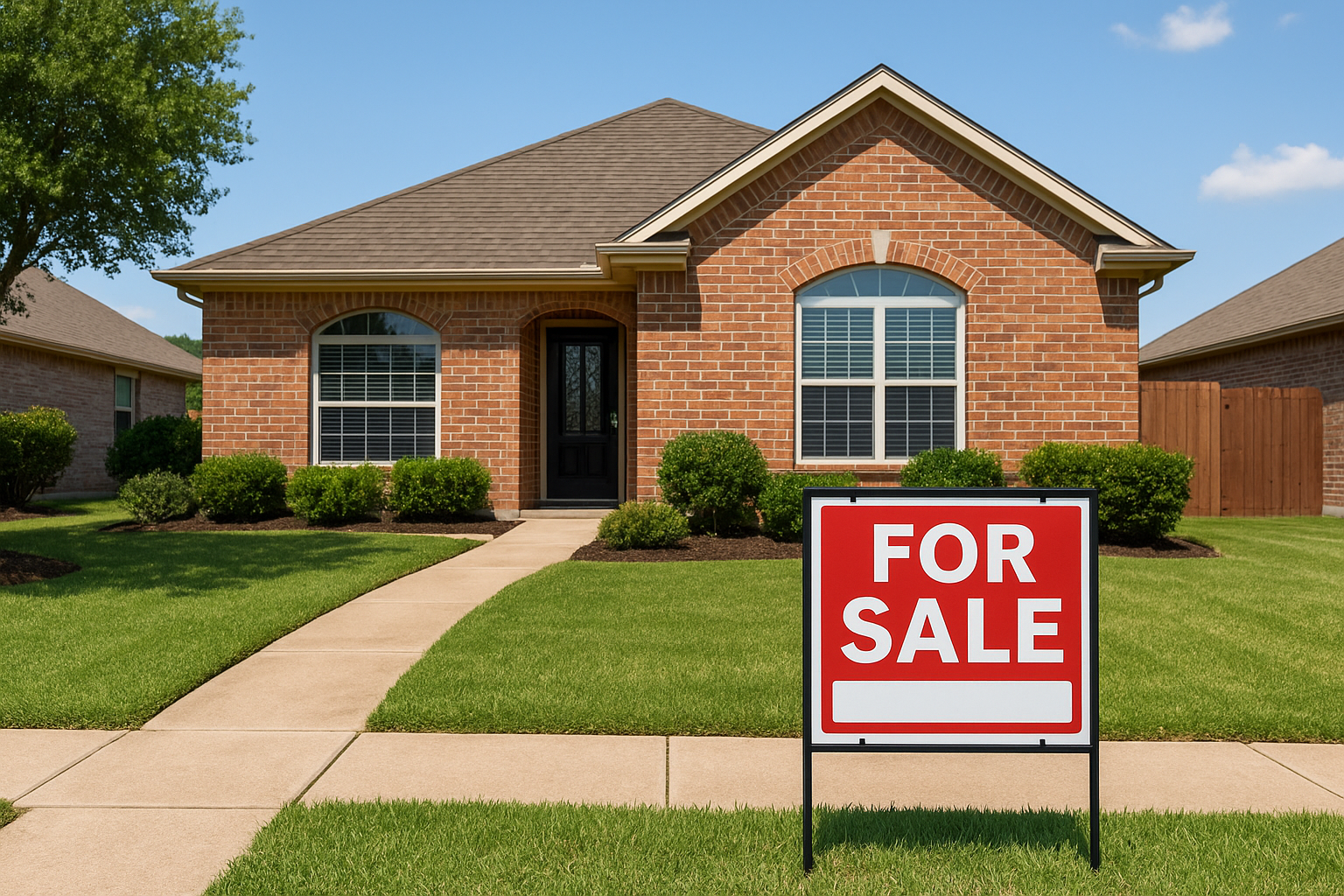
Curb appeal matters even more when a property sits vacant and waiting for its next owner.
Staging and Marketing Tips for an Empty Home
Because buyers often struggle to visualize scale in an empty room, staging the main living areas, primary bedroom, and kitchen tends to deliver the best return. Even a few key pieces, like a sofa and dining table, can anchor a room's purpose.
Alternatively, virtual staging offers a lower-cost solution. Photos are digitally furnished to show potential without the expense of moving real furniture in and out. According to Wikipedia's overview of home staging, both physical and virtual staging aim to help buyers emotionally connect with a property faster than an empty space alone.
Meanwhile, professional photography and video walkthroughs should highlight natural light, layout flow, and any recent updates. Clear, well-lit images help offset the lack of furniture in listing photos.
Working With a REALTOR® When You Need to Sell a Vacant Home in San Antonio
Because every seller's situation is different, a one-size-fits-all approach rarely works for vacant properties. Delcina Smith, a REALTOR® and real estate salesperson with CENTURY 21 Integra, has spent eight years helping San Antonio sellers navigate exactly these situations, from inherited houses to rentals between tenants.
Specifically, her approach includes a personalized consultation to review the home's condition, timeline, and goals before building a marketing plan. She also maintains working relationships with a mortgage lender and title company, which can help streamline the closing process once an offer is accepted.
If you need to sell a vacant home in San Antonio and want guidance tailored to your specific situation, you can review additional buying and selling tips or browse recently sold listings to see how similar homes performed in the local market. For families upsizing at the same time, this related guide on homes for sale in San Antonio may also help.
Common Mistakes to Avoid When Selling a Vacant Property
Even experienced sellers can stumble when a home sits empty. Specifically, these mistakes show up again and again:
- Leaving the home completely bare instead of staging key rooms.
- Skipping a pre-listing inspection and discovering issues after an offer is made.
- Pricing based on emotional attachment rather than current market data.
- Neglecting lawn care and exterior maintenance during the listing period.
- Turning off utilities too early, which can lead to mold or HVAC damage.
Avoiding these pitfalls generally keeps a vacant listing on track and reduces the chance of price reductions down the line.

A personalized consultation helps sellers plan each step before listing a vacant property.
Frequently Asked Questions About Selling a Vacant Home in San Antonio
What does it mean to sell a vacant home in San Antonio?
Selling a vacant home in San Antonio means listing and closing on a property that no one currently lives in, such as an inherited house, a former rental, or a home the owner has already left. These sales often require extra attention to security, utilities, and staging before buyers tour the property.
Is it harder to sell a vacant home than an occupied one?
It can be, since empty rooms make it harder for buyers to picture themselves living there and vacant properties sometimes sit longer on the market. However, strategic staging, sharp pricing, and strong marketing can close that gap quickly.
How long does it typically take to sell a vacant home in San Antonio?
Timelines vary by price range, condition, and neighborhood demand, but a well-priced, well-staged vacant home can sell within a few weeks in an active San Antonio market. A local agent can give you a realistic estimate based on current comparable sales.
How much does it cost to stage a vacant home for sale?
Full staging costs vary widely depending on home size and how many rooms are furnished, while virtual staging is typically far less expensive. Many sellers choose to stage only the main living areas to control costs while still improving buyer impressions.
What are the biggest risks of leaving a home empty while it's listed?
Vacant homes face higher risks of vandalism, break-ins, undetected plumbing or HVAC failures, and lapsed homeowners insurance. Regular check-ins and proper security measures significantly reduce these risks.
Do I need special insurance for a vacant home during the sale?
Standard homeowners policies often limit or exclude coverage once a home sits empty beyond a set number of days, so a vacant home insurance endorsement or policy is usually necessary. It's worth confirming coverage details with your insurer before the home sits unoccupied.
Can I sell a vacant inherited home in San Antonio?
Yes, inherited homes are commonly sold while vacant, especially when heirs live out of town or the property needs updates before move-in. An experienced agent can help coordinate probate requirements, repairs, and marketing at the same time.
What's the difference between traditional staging and virtual staging?
Traditional staging places real furniture inside the home, while virtual staging digitally adds furnishings to listing photos. Virtual staging is a budget-friendly option that still helps buyers visualize the space's potential.
Should I keep the utilities on in a vacant home I'm selling?
Yes, keeping electricity, water, and climate control running helps prevent mold, pest issues, and HVAC damage, and it allows showings to proceed smoothly. Turning off utilities to save money often costs more in repairs later.
What common mistakes do sellers make with vacant properties?
Common mistakes include leaving the home completely bare, skipping a pre-listing inspection, overpricing based on emotion rather than data, and neglecting curb appeal. Each of these can extend time on market and reduce offers.
How do I price a vacant home accurately in today's market?
Accurate pricing relies on recent comparable sales, current San Antonio market conditions, and an honest assessment of the home's condition. A local REALTOR® can run a comparative market analysis to set a competitive, realistic price.
Can Delcina Smith help me sell a vacant home in San Antonio?
Yes, Delcina Smith works with sellers across San Antonio and the surrounding area, including those who need to sell a vacant home in San Antonio quickly and safely. She builds a customized strategy around each seller's timeline, goals, and property condition.
What's the first step if I need to sell a vacant home in San Antonio?
The first step is securing the property and scheduling a consultation with a local real estate agent to review condition, pricing, and timeline. From there, a tailored marketing and staging plan can move the listing forward quickly.
Final Thoughts on Selling a Vacant Home in San Antonio
Ultimately, if you need to sell a vacant home in San Antonio, the biggest advantage comes from acting early. Securing the property, maintaining it properly, and staging key rooms all work together to shorten time on market and protect your sale price.
In addition, pairing these steps with accurate pricing and strong marketing helps buyers see past the empty rooms and recognize the home's true potential. Finally, working with an agent who understands San Antonio's local market, such as Delcina Smith at CENTURY 21 Integra, can make the entire process smoother from consultation to closing. If you're ready to discuss your timeline and goals, you can reach out through the contact page, call (210) 974-4641, or email delcina.smith@c21integra.com to get started. You can also explore more resources directly on delcinasmithrealtor.com, and if downsizing is part of your plan, this guide on assisting empty nesters looking for smaller homes may be a helpful next read.
