Estate Sale Guide: Tips for San Antonio Home Sellers
An estate sale can affect your San Antonio home sale. Learn what to expect, then contact REALTOR Delcina Smith for personalized guidance today.
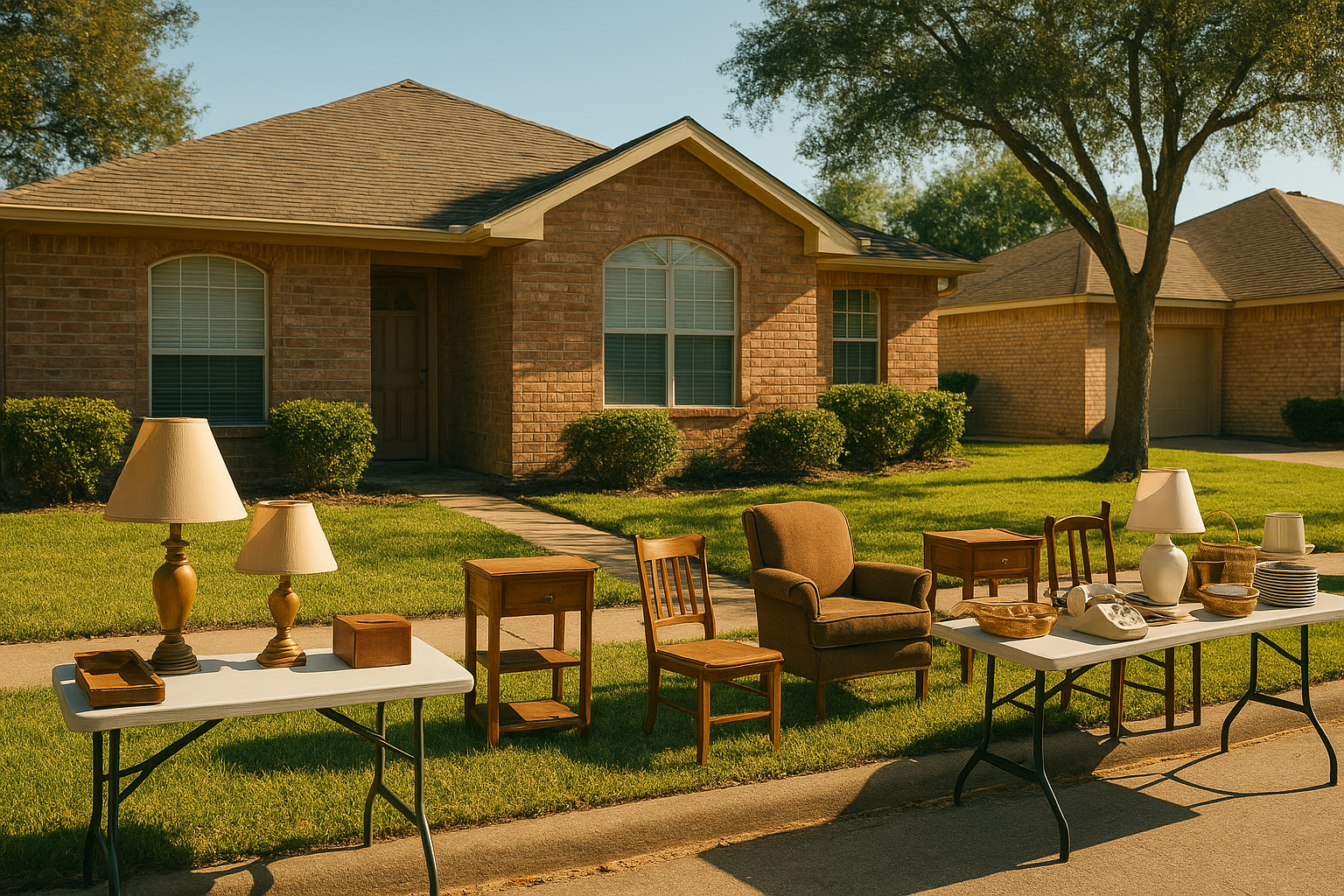
An estate sale is usually the first major milestone on the road to listing a loved one's property, and for many San Antonio families it's also the most emotional step. Whether the sale is triggered by a death in the family, a divorce, a move into assisted living, or simply a long-overdue downsizing, clearing decades of belongings out of a house can feel like its own full-time job. However, once you understand how an estate sale actually works, what it typically includes, and how it fits into the broader timeline of selling a home, the process becomes far more manageable. REALTOR Delcina Smith of CENTURY 21 Integra regularly guides San Antonio families through both the sale of personal belongings and the sale of the home that follows, and this guide walks through every stage of that journey in far more depth than a typical overview.
Quick answer: An estate sale is an on-site sale of a household's furniture, antiques, and belongings, usually held because of a death, downsizing move, or relocation. It typically happens before a home is listed, so clearing the property on time helps keep your selling timeline — and your sanity — on track.
Preparing for an estate sale is often the first step before a San Antonio home hits the market.
What Is an Estate Sale?
An estate sale is a sale, typically held inside the home, where furniture, antiques, collectibles, and everyday household items are priced and sold directly to the public. Unlike a casual garage sale, an estate sale usually covers nearly everything in the house and often runs over several days with the help of professional organizers. As a result, estate sales tend to produce more thorough, organized results than a quick weekend yard sale.
In most cases, families turn to an estate sale because of a death in the family, a divorce, a move into assisted living, or simply because downsizing requires letting go of decades of belongings. According to Wikipedia's overview of estate sales, the practice has grown into a recognized industry with professional companies that specialize in appraisal, pricing, and staging. Consequently, many homeowners choose to hire specialists rather than handle the process alone. Because terminology varies by region, you may also hear the phrase "tag sale," which refers to the same concept — every item in the home is tagged with a price and made available for purchase.
Estate Sale vs. Estate Liquidation vs. Garage Sale: Key Differences
These three terms get used interchangeably, but they are not quite the same thing. Understanding the distinctions matters, because it affects how you plan, budget, and advertise. Specifically:
- Garage sale: A small, informal sale of a limited number of items, usually priced to move quickly and held in a driveway or garage over a single day.
- Estate sale: A comprehensive, often professionally organized sale of nearly everything inside a home, typically run over two to three days with detailed pricing and staging.
- Estate liquidation: A broader term that can include an estate sale but may also involve auctions, consignment, or bulk buyout offers, especially when a home needs to be cleared quickly.
In practice, San Antonio families often use "estate sale" and "estate liquidation" as synonyms, and that's fine for everyday conversation. However, if you're interviewing companies to run the sale, ask exactly which services are included, since a liquidation specialist may combine several sale formats to clear a home faster.
How an Estate Liquidation Works Before You List Your Home
Before a home goes on the market, an estate liquidation (another term for an estate sale) often needs to happen first. This step matters because buyers and agents need to see the home's true layout, condition, and potential, not a space crowded with decades of furniture and keepsakes.
Typically, the process starts with sorting belongings into categories: items to keep, items to sell, items to donate, and items to discard. Afterward, remaining pieces are priced, displayed, and advertised to local buyers and collectors. Because San Antonio has a steady community of estate sale shoppers, well-advertised sales often attract strong turnout within the first few hours.
Once the liquidation wraps up, the home is typically cleaned, repaired if needed, and prepared for professional photography. At this stage, working with a knowledgeable local REALTOR can help align the timing so the home is market-ready as soon as possible after the sale ends.
Steps to Prepare for an Estate Liquidation Sale
Preparing for an estate sale involves more than simply pulling items out of closets. A structured approach helps the process move faster and often results in better prices for valuable items.
- Sort and inventory belongings. Go through every room and separate items into keep, sell, donate, and discard piles, since a clear inventory makes pricing and marketing much easier later.
- Research values or hire an appraiser. Look into comparable sale prices or bring in a professional appraiser for antiques, jewelry, or collectibles so valuable pieces are not sold for far less than they are worth.
- Decide between DIY or a professional company. Weigh the time and commission involved in hiring an estate sale company against handling pricing and staffing yourself with help from family.
- Advertise the sale in advance. Post the sale on local estate sale websites, community groups, and yard signage at least a week ahead so shoppers have time to plan a visit.
- Hold the sale and manage final clearance. Run the sale over the planned days, mark down prices on the last day, and arrange donation pickup for anything left unsold.
- Coordinate the timeline with your REALTOR. Share the sale schedule with your agent so photography, staging, and listing can begin as soon as the home is cleared.

Sorting belongings early is one of the most important steps before an estate sale begins.
Estate Sale vs. Probate Sale: What San Antonio Sellers Should Know
It is easy to confuse an estate sale with a probate sale, but the two terms describe very different things. An estate sale deals with selling the personal belongings inside a home, such as furniture, art, and collectibles. A probate sale, on the other hand, refers to selling the actual real property through a court-supervised process after someone passes away without a clear path to transfer ownership.
Both processes can happen for the same property, often in sequence. For instance, a family might hold an estate sale to clear out belongings, then work with a REALTOR and, if necessary, an attorney to complete the probate sale of the house itself. Specifically, Texas probate timelines can vary depending on whether a will exists, so consulting a local probate attorney alongside your real estate agent is generally a smart move.
If you are inheriting property and plan to sell, it is also worth understanding how a stepped-up cost basis may affect taxes. The IRS provides guidance on the basis of inherited property, which can influence how much tax is owed when the home eventually sells.
Financial and Tax Considerations for Estate Sale Proceeds
Money from an estate sale is rarely taxed the way many families assume. Generally speaking, selling used household items for less than their original purchase price does not create taxable income, since you're typically selling at a loss compared to retail value. However, high-value items — fine art, rare collectibles, or jewelry that has appreciated significantly — can trigger capital gains considerations if sold for more than their cost basis.
In addition, if the estate itself is large enough to be subject to federal estate tax, the executor may need to file IRS Form 706, the United States Estate Tax Return, separate from any income reported on proceeds from selling personal belongings. Because tax situations vary widely depending on estate size, state of residence, and the type of assets involved, it's worth looping in a CPA or financial advisor before assuming the sale is entirely tax-free. This is especially true when an estate sale happens alongside the sale of real property, since combined proceeds can shift a family's overall tax picture for the year.
Keeping receipts, appraisals, and a simple spreadsheet of what sold and for how much is a smart habit. Not only does this protect you if questions arise later, it also gives your REALTOR and financial advisor a clearer picture of the estate's overall value as you move toward listing the home itself.
Working with an Executor or Trustee During an Estate Sale
When a death prompts the estate sale, an appointed executor or trustee usually has legal authority to decide what gets sold, donated, or kept, and this authority typically flows from the will or trust document itself. Therefore, before scheduling anything, confirm who has that authority and whether other heirs need to sign off on major decisions.
If there is no will, Texas intestacy laws determine who inherits the property and who has standing to authorize an estate sale, which can slow the process down considerably. In these situations, a probate attorney can clarify who is legally permitted to move forward, so the family avoids disputes that might otherwise derail the sale or delay listing the home.
Above all, clear communication among heirs before the sale date prevents conflict later. Families who agree in writing on how proceeds will be divided, and who documents which items were sold, tend to move through the estate sale and subsequent home sale with far fewer disagreements.
Online Estate Sales: Are They Worth Considering?
In recent years, online estate sale platforms have grown in popularity, allowing shoppers to bid on or purchase items remotely while a company photographs and lists everything from the home. This format works especially well for smaller households, rural properties, or situations where an in-person crowd isn't practical.
That said, an online-only estate sale tends to generate lower turnout for bulky furniture, since buyers can't test, measure, or inspect items in person before committing. As a result, many San Antonio estate sale companies now run a hybrid model — listing items online ahead of time to build interest, then opening the home for an in-person sale on the scheduled days. If your timeline is tight, ask any company you interview whether they offer this hybrid approach, since it often produces better results than either format alone.
Estate Sale Company Costs: What San Antonio Families Should Expect
Professional estate sale companies commonly charge a commission of around 30 to 40 percent of total sales, though this varies by company, region, and the overall value of the estate. Some companies also charge a flat setup fee for larger homes that require extensive staging, pricing, and advertising work.
- Lower-value estates (under $10,000 in expected sales): Commissions may run higher, since the company's time investment stays similar regardless of total sale volume.
- Mid-size estates: Standard 30–40 percent commission typically applies, with the company handling pricing, staffing, and marketing.
- High-value estates with antiques, art, or collectibles: Companies may negotiate a lower percentage given the larger expected total, but they often bring in outside appraisers for accuracy.
Families who handle the sale themselves avoid this fee entirely, but they take on pricing research, advertising, staffing, and cleanup. For most people juggling grief, probate paperwork, and a home sale at the same time, the commission is a reasonable trade for freeing up time and reducing stress.
Working with a San Antonio Realtor During an Estate Clearance
An estate clearance rarely happens in isolation from the home sale that follows it. Therefore, bringing in a REALTOR early, even before the sale date is set, often saves time later. Delcina Smith has spent eight years helping San Antonio sellers, including families managing an estate, create a strategy built around their specific timeline and goals.
San Antonio continues to grow quickly; according to the U.S. Census Bureau, the city is home to well over a million residents, making local market knowledge especially valuable when pricing and marketing an inherited or cleared-out home. Delcina's background in banking, combined with her residential and luxury residential specialization, gives sellers a practical mix of financial understanding and local expertise.
Whether the home needs to go to a growing family, a first-time buyer, or an investor, Delcina also maintains relationships with a mortgage lender and title company, which can help keep the process moving smoothly once the estate sale is complete. You can view current listings from CENTURY 21 Integra to see examples of homes recently brought to market in the area.

A personalized consultation helps sellers plan next steps once the estate sale wraps up.
Common Mistakes to Avoid During an Estate Sale
Even well-intentioned families run into avoidable problems during an estate sale. Recognizing these mistakes ahead of time can protect both the value of the belongings and the home-selling timeline.
First, underpricing valuable items is one of the most common issues, particularly with antiques or collectibles that require a trained eye to appraise accurately. Second, waiting too long to start sorting often delays listing the home, which can cost sellers valuable time in a competitive market. Third, skipping advertising entirely, or relying on a single flyer, tends to produce weak turnout compared to sales promoted across multiple local channels.
In addition, some families forget to secure the property during the sale itself, which can lead to theft or damage when strangers move through the home. Finally, failing to coordinate the sale date with a REALTOR can leave the home sitting empty and unlisted longer than necessary. Families who are downsizing, for example, may benefit from reading this related guide on helping empty nesters find a smaller home once their current property is cleared and ready to sell.
Planning Your Next Steps After the Estate Sale
Once the estate sale ends, the focus naturally shifts to preparing the home itself for buyers. This typically includes a deep clean, minor repairs, and professional photography that highlights the property's best features. Above all, timing matters, since homes that sit vacant too long can start to show wear.
At this point, reviewing comparable properties can help set realistic expectations for pricing. You can see Delcina's sold home listings or browse recently sold listings across the company to get a feel for current San Antonio market activity. From there, scheduling a personalized consultation is the most direct way to map out a selling strategy tailored to your specific timeline and goals.
Frequently Asked Questions About Estate Sale
What is an estate sale?
An estate sale is a sale, usually held inside the home, where furniture, antiques, collectibles, and other household items are priced and sold to the public. It typically happens because of a death, divorce, downsizing, or relocation, and often takes place before the house itself is listed.
How is an estate sale different from a garage sale?
A garage sale usually involves a small selection of items sold informally, while an estate sale covers nearly everything in the home and is often professionally priced and staffed. Estate sales also tend to run over a full weekend rather than a single afternoon.
Do I need an estate sale before selling my San Antonio home?
Not always, but it can help if the home is full of furniture or belongings that need to be cleared before listing. A quick consultation with a local REALTOR can help you decide whether an estate sale fits your timeline and goals.
How much does an estate sale typically cost?
Professional estate sale companies commonly charge a commission of around 30 to 40 percent of total sales, though this varies by company and region. Families who handle the sale themselves avoid this fee but take on the pricing and staffing work.
How long does an estate sale take to complete?
Most estate sales run for two to three days, often Friday through Sunday, with setup and pricing taking a week or more beforehand. Larger homes with extensive belongings may need additional preparation time.
What happens to unsold items after an estate sale?
Leftover items are usually donated, sold at a discount during a final clearance day, or hauled away by a junk removal service. Clearing out remaining items quickly helps keep the home-selling timeline on track.
Can Delcina Smith help coordinate an estate sale and the home sale together?
Yes, Delcina Smith works with San Antonio families to align the timing of an estate sale with listing and selling the property. She can also recommend trusted local resources as part of a personalized selling strategy.
What is the difference between an estate sale and a probate sale?
An estate sale deals with selling the personal belongings inside a home, while a probate sale refers to selling the real property itself through the court-supervised probate process. A single home can go through both processes before it changes hands.
Do I need a lawyer for an estate sale?
A lawyer is not usually required to sell personal belongings, but one may be necessary if the home is going through probate or if there are disputes among heirs. It is worth asking a local attorney or title company for guidance specific to your situation.
What are common mistakes people make during an estate sale?
Common mistakes include underpricing valuable items, skipping an appraisal, and waiting too long to start, which delays listing the home. Poor advertising and failing to secure the property during the sale are also frequent issues.
Should I hire a professional estate sale company?
Hiring a professional company is worthwhile when the home contains many valuable or specialty items, since they handle pricing, marketing, and staffing. For smaller estates, handling the sale with help from family may be sufficient.
Are estate sale proceeds taxable?
Most household items sell for less than their original purchase price, so there's typically no taxable gain. However, high-value items sold above their cost basis can trigger capital gains, and larger estates may require a federal estate tax filing, so checking with a CPA is wise.
Can I hold an online estate sale instead of an in-person event?
Yes, many companies now offer online or hybrid estate sales that list items for bidding ahead of an in-person event. This approach can widen your buyer pool, though bulky furniture often still sells better when shoppers can see it in person.
Who is responsible for organizing an estate sale if there's no will?
Without a will, Texas intestacy laws determine who inherits the property and who has legal standing to authorize an estate sale. A probate attorney can help identify the right person before any sale is scheduled.
How do I schedule a consultation with Delcina Smith about selling my home after an estate sale?
You can reach Delcina Smith by phone at (210) 974-4641, by email at delcina.smith@c21integra.com, or through the contact form on her website. She offers personalized consultations to discuss your timeline and goals.
In summary, an estate sale is often the first practical step toward selling a San Antonio home, especially after a death in the family, a downsizing move, or a relocation. By sorting belongings early, pricing items carefully, understanding the tax and executor considerations involved, and coordinating timing with a knowledgeable REALTOR, families can move from clearing a home to listing it with far less stress. If you are facing an estate sale and want guidance on what comes next, Delcina Smith of CENTURY 21 Integra is ready to build a personalized strategy around your specific needs, timeline, and goals.
