Downsizing Sellers: San Antonio Guide to a Smooth Move
Downsizing Sellers in San Antonio can get personalized strategies from REALTOR® Delcina Smith to sell smart and move confidently. Schedule a consultation.

Downsizing sellers in San Antonio face a unique set of decisions, from figuring out what furniture fits a smaller floor plan to pricing a long-time family home correctly for today's market. Whether you are an empty nester ready for less upkeep or simply simplifying your lifestyle, moving to a smaller home takes more than packing boxes. It requires a clear selling strategy, a trustworthy REALTOR®, and a timeline that matches your goals. This guide walks through what downsizing sellers need to know before listing a home in San Antonio and the surrounding area.
Quick answer: Downsizing sellers are homeowners who sell a larger property, often the family home, to move into a smaller, lower-maintenance residence. Success depends on decluttering early, pricing accurately, and working with an agent who can coordinate the sale and the next purchase on a realistic timeline.
What Are Downsizing Sellers?
Downsizing sellers are homeowners who sell a larger property, often a long-time family home, in order to move into a smaller and more manageable residence. This decision is common among empty nesters, retirees, and anyone looking to reduce maintenance, cut costs, or simplify daily life. In San Antonio, downsizing sellers often trade spacious suburban homes for low-maintenance condos, patio homes, or smaller single-story properties.
However, downsizing is rarely just about square footage. It usually touches finances, emotions, and lifestyle all at once. For example, a seller might be ready to retire, reduce yard work, or free up equity tied up in a larger home. Understanding these motivations early helps shape a selling strategy that actually fits the goal, rather than a generic plan borrowed from a standard listing.
Why San Antonio Homeowners Choose to Right-Size
Several factors push San Antonio homeowners toward a smaller footprint. In particular, rising property taxes, utility costs, and the physical demands of yard work make a large home feel less practical once the kids move out. As a result, many sellers decide that right-sizing, meaning matching their home to their actual current lifestyle, makes more sense than staying in an oversized property.
The U.S. Census Bureau reports that the population aged 65 and older is growing faster than any other age group in the country, which naturally increases demand for smaller, low-maintenance housing. Similarly, the National Association of REALTORS® has consistently found that downsizing ranks among the top reasons sellers give for moving, particularly among older homeowners. Therefore, San Antonio's growing retiree and empty-nester population is likely to keep fueling demand for smaller homes in the years ahead.
Common Challenges Downsizing Sellers Face
Even motivated homeowners run into obstacles. Above all, decluttering decades of belongings is often the biggest emotional hurdle for downsizing sellers, especially when items carry sentimental value. In addition, many sellers struggle to time their sale and purchase so they are not stuck paying for two homes or facing a gap with nowhere to live.
Pricing can also be tricky. A home that has been updated over many years may carry sentimental or perceived value that does not match current market data. Consequently, working with an agent who understands local pricing trends, such as the information covered in this guide to the cost of selling a house in San Antonio, helps set realistic expectations from the start.
Downsizing sellers often start with decluttering before listing their current home.
How to Prepare Your Home for a Successful Downsize
A structured process makes the transition far less overwhelming. Specifically, the following steps outline how most downsizing sellers move from a listing decision to closing day without unnecessary stress.
- Schedule a personalized consultation. Sit down with a REALTOR® to discuss your timeline, goals, and the type of smaller home you want, so your selling strategy matches your actual needs instead of a generic plan.
- Sort belongings room by room. Work through each room methodically, deciding what moves with you, what gets sold, and what gets donated, since a smaller home demands a more selective approach to furniture and keepsakes.
- Request a comparative market analysis. Ask your agent to pull recent sales data for homes like yours so you can price competitively and understand what your current property is realistically worth in today's market.
- Complete strategic repairs and staging. Focus on affordable updates that boost buyer appeal, such as fresh paint, decluttered rooms, and minor repairs, rather than expensive renovations that rarely pay off before a downsizing sale.
- List and market the home. Launch professional photography, online listings, and targeted marketing so the property reaches qualified buyers quickly while you simultaneously search for your next, smaller residence.
- Coordinate closing and moving day. Work with your agent, lender, and title company to align your sale's closing date with your move-in date, minimizing the stress of transitioning between two properties.
For additional practical guidance, this collection of buying and selling tips covers more ground on preparing a home for the market.
Customized Strategies for Empty Nesters Ready to Scale Down
Every seller's situation is different, and empty nesters ready to scale down often have distinct priorities compared to first-time sellers. For instance, some want to stay close to grandchildren, while others are chasing lower maintenance or a warmer climate. Because of this, a customized strategy built around a client's specific needs, timeline, and goals tends to outperform a one-size-fits-all approach.
Delcina Smith, a REALTOR® with CENTURY 21 The Hills serving San Antonio and the surrounding area, builds these personalized plans directly with sellers. She has spent 8 years as a real estate agent and brings earlier experience from the banking industry, which supports clear communication around financing and timing during a downsizing move. You can learn more about her approach and service area directly on Delcina Smith's website.

Personalized planning helps empty nesters feel confident about their next move.
What Does It Cost to Sell When Downsizing?
Selling costs for downsizing sellers typically include agent commission, title and closing fees, and any pre-listing repairs. Together, these expenses often total roughly 7% to 10% of the final sale price, though the exact figure depends on the home's condition and local market conditions.
For a closer look at local pricing factors, the article on how much it costs to sell a house in San Antonio breaks down typical fees in more detail. In contrast to the cost of selling, buying a smaller home often means lower ongoing expenses, which is one reason many downsizing sellers come out ahead financially within a few years.
Working with a San Antonio REALTOR® as a Downsizing Seller
A knowledgeable local agent makes a measurable difference for downsizing sellers. Specifically, an experienced REALTOR® can coordinate pricing, marketing, and closing timelines while also connecting sellers with a trusted mortgage lender and title company, which keeps the entire process moving smoothly.
If your sale involves a higher-end property, it also helps to understand how pricing and marketing differ for upscale homes; see this explanation of the difference between residential and luxury real estate. Likewise, sellers hoping to move quickly may want to review these notes on experts in selling homes quickly in San Antonio. Finally, if you are also searching for your next, smaller neighborhood, this neighborhood guide to San Antonio is a useful starting point.
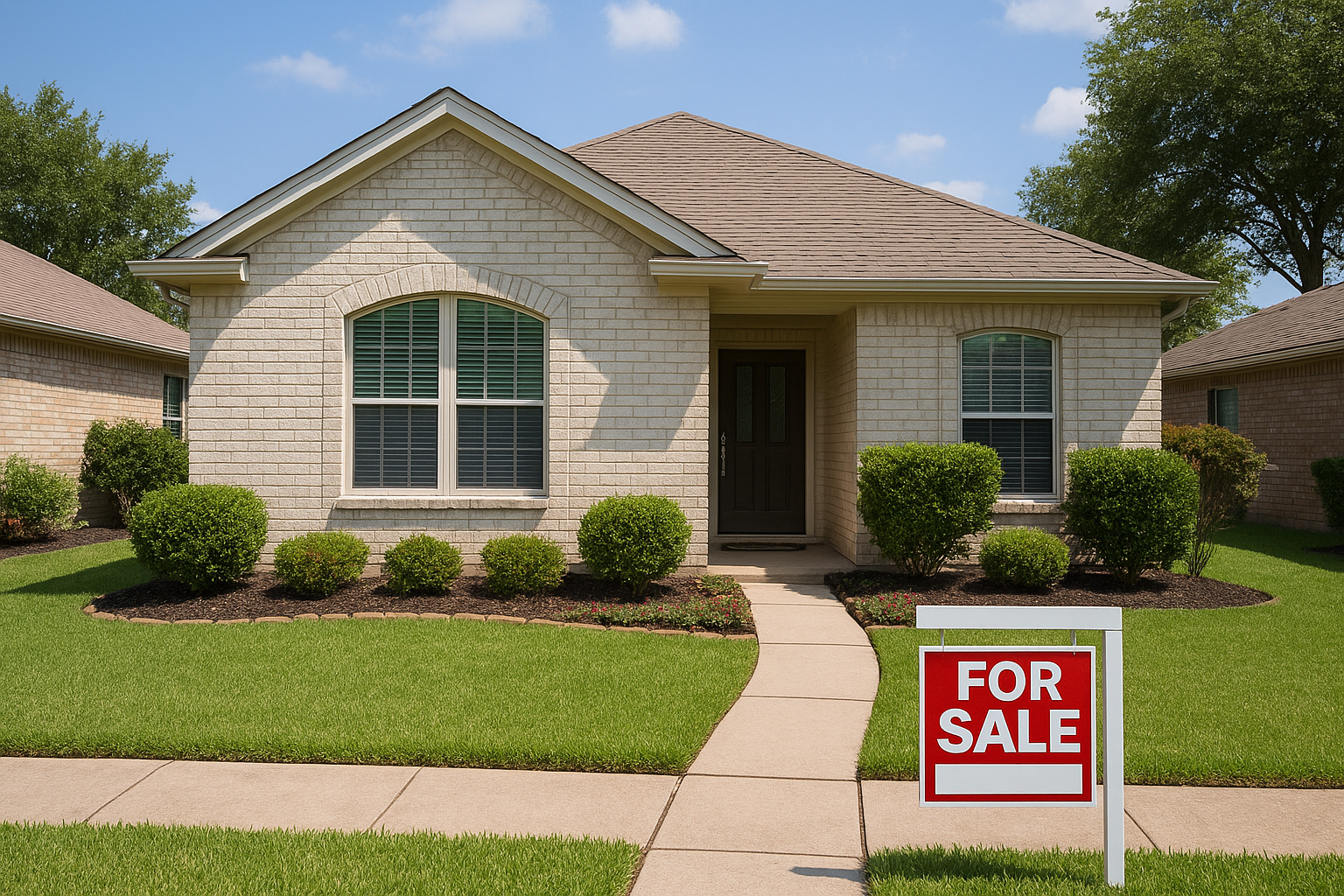
Smaller patio homes are a popular choice among downsizing sellers in San Antonio.
Frequently Asked Questions About Downsizing Sellers
What does it mean to be one of the downsizing sellers in San Antonio?
Downsizing sellers are homeowners who sell a larger property to move into a smaller, more manageable home. In San Antonio, this often means trading a multi-story family house for a single-story patio home, condo, or smaller residence closer to amenities.
How do downsizing sellers decide what to keep, sell, or donate?
Most downsizing sellers go room by room, measuring furniture against their new floor plan before deciding what to keep. Items that won't fit are typically sold, donated, or passed on to family members ahead of the move.
Why do empty nesters choose to downsize their homes?
Empty nesters often downsize to reduce maintenance, lower utility and tax costs, and free up equity once children have moved out. A smaller home can also simplify daily life and support retirement or lifestyle goals.
How long does it typically take to sell a larger home and move into a smaller one?
Timelines vary, but many San Antonio sellers plan for two to four months between listing a home and closing on a smaller property. Coordinating both transactions closely can shorten the gap between moving out and moving in.
What is the difference between downsizing and right-sizing a home?
Downsizing simply means moving to a smaller home, while right-sizing focuses on matching the home's size and layout to your current lifestyle, which could mean smaller square footage or a more functional layout.
How much does it cost to sell a home in San Antonio when downsizing?
Selling costs usually include agent commission, title fees, minor repairs, and closing costs, which together often range from 7% to 10% of the sale price. A REALTOR® can provide a more precise estimate based on your specific home.
What are common mistakes downsizing sellers make?
Common mistakes include underestimating how much space a smaller home actually offers, delaying decluttering, and not lining up financing or a new home before listing. Planning early helps avoid a rushed, stressful transition.
Should downsizing sellers buy a new home before or after selling?
It depends on financing and local market conditions, but many downsizing sellers prefer to secure their new home first or negotiate a flexible closing date. A REALTOR® can help structure contingencies that protect both transactions.
Can downsizing sellers benefit from a personalized consultation?
Yes, a personalized consultation helps downsizing sellers map out a timeline, pricing strategy, and moving plan tailored to their specific situation. This approach tends to reduce stress compared to a generic, one-size-fits-all selling plan.
What home improvements are worth making before downsizing?
Low-cost updates like fresh paint, decluttering, and minor repairs typically offer the best return for downsizing sellers. Major renovations are rarely necessary and often do not recoup their cost before a sale.
Is downsizing only for retirees?
No, downsizing sellers include retirees, but also younger homeowners simplifying their finances, divorced individuals, and anyone who finds a large home no longer fits their lifestyle or budget.
How do I get started as one of the downsizing sellers in San Antonio?
The best first step is scheduling a consultation with a local REALTOR® to discuss your goals, timeline, and current home's value. From there, you can build a customized plan for selling and finding your next smaller home.
In summary, downsizing sellers in San Antonio can navigate the process with far less stress by planning early, decluttering methodically, and pricing their home accurately. Above all, working with a REALTOR® who builds a strategy around your specific needs, timeline, and goals makes the entire move, from listing day to closing, feel manageable. Whether you are an empty nester, a retiree, or simply ready for a simpler lifestyle, Delcina Smith offers personalized guidance for downsizing sellers throughout San Antonio and the surrounding area. Reach out by phone at (210) 974-4641, call the office at (210) 979-6700, or email delcina.smith@c21integra.com to schedule a consultation and start planning your move.